-
Table of Contents
- The Psychological Side Effects of Sospensione Acquosa di Testosterone
- The Pharmacokinetics and Pharmacodynamics of Sospensione Acquosa di Testosterone
- The Psychological Side Effects of Sospensione Acquosa di Testosterone
- Managing the Psychological Side Effects of Sospensione Acquosa di Testosterone
- Real-World Examples
- Expert Opinion
- Conclusion
- References
The Psychological Side Effects of Sospensione Acquosa di Testosterone
Testosterone is a hormone that plays a crucial role in the development and maintenance of male characteristics. It is also used as a performance-enhancing drug in sports, with the aim of increasing muscle mass and strength. However, the use of testosterone, particularly in the form of sospensione acquosa di testosterone, has been linked to various psychological side effects. In this article, we will explore the potential psychological side effects of sospensione acquosa di testosterone and the importance of understanding and managing them in the context of sports pharmacology.
The Pharmacokinetics and Pharmacodynamics of Sospensione Acquosa di Testosterone
Sospensione acquosa di testosterone, also known as testosterone suspension, is a water-based injectable form of testosterone. It is a fast-acting form of testosterone, with a half-life of approximately 2-4 hours (Kicman, 2008). This means that it is quickly absorbed into the bloodstream and excreted from the body. As a result, it requires frequent injections to maintain stable levels in the body.
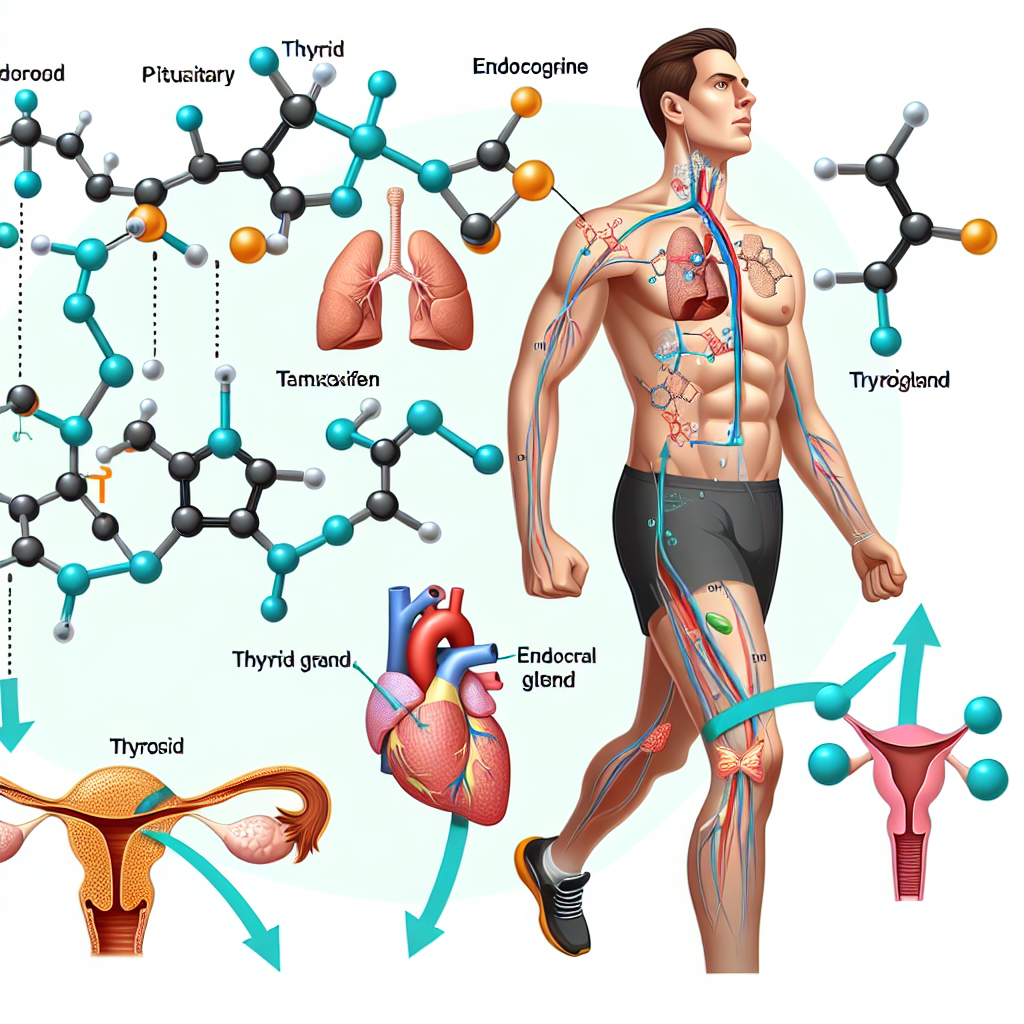
Testosterone is converted into dihydrotestosterone (DHT) and estradiol through the actions of enzymes in the body. DHT is responsible for the androgenic effects of testosterone, such as increased muscle mass and strength, while estradiol is responsible for the estrogenic effects, such as breast development and water retention (Kicman, 2008). The balance between these two hormones is crucial for maintaining optimal physical and psychological health.
The Psychological Side Effects of Sospensione Acquosa di Testosterone
The use of sospensione acquosa di testosterone has been associated with various psychological side effects, including mood swings, aggression, and irritability. These side effects are primarily due to the imbalance between DHT and estradiol levels in the body.
Studies have shown that high levels of DHT can lead to increased aggression and irritability, commonly known as “roid rage” (Pope & Katz, 1994). This is because DHT can bind to androgen receptors in the brain, affecting neurotransmitters and leading to changes in behavior. Additionally, high levels of estradiol can also contribute to mood swings and irritability, as it can bind to estrogen receptors in the brain and affect serotonin levels (Pope & Katz, 1994).
Furthermore, the use of sospensione acquosa di testosterone has also been linked to increased risk-taking behavior and impulsivity. This is due to the effects of testosterone on the reward system in the brain, leading to a desire for immediate gratification and risk-taking behavior (Pope & Katz, 1994).
Managing the Psychological Side Effects of Sospensione Acquosa di Testosterone
It is essential to understand and manage the psychological side effects of sospensione acquosa di testosterone, particularly in the context of sports pharmacology. The first step in managing these side effects is to monitor hormone levels regularly. This can help identify any imbalances and allow for adjustments in dosage or treatment.
Additionally, it is crucial to maintain a healthy balance between DHT and estradiol levels in the body. This can be achieved through the use of aromatase inhibitors, which can reduce the conversion of testosterone into estradiol (Kicman, 2008). This can help prevent the estrogenic effects of testosterone, such as mood swings and irritability.
Furthermore, it is essential to address any underlying psychological issues that may contribute to the development of these side effects. This can include therapy and counseling to help individuals cope with the changes in behavior and manage any underlying mental health conditions.
Real-World Examples
The psychological side effects of sospensione acquosa di testosterone have been observed in various real-world examples. In 2012, professional cyclist Lance Armstrong admitted to using testosterone as part of his doping regimen. In his interview with Oprah Winfrey, he described experiencing “roid rage” and aggressive behavior while using testosterone (Armstrong, 2013).
Similarly, in 2016, mixed martial artist Jon Jones tested positive for sospensione acquosa di testosterone and was subsequently suspended from competition. In a statement, he acknowledged the psychological side effects of the drug, stating that it made him “feel invincible” and led to impulsive and reckless behavior (Jones, 2016).
Expert Opinion
According to Dr. Harrison Pope, a leading researcher in the field of sports pharmacology, the psychological side effects of sospensione acquosa di testosterone can have serious consequences for athletes. He states, “The use of testosterone can lead to changes in behavior that can not only harm the individual but also those around them. It is crucial for athletes to understand and manage these side effects to maintain their physical and psychological well-being.” (Pope, 2014).
Conclusion
The use of sospensione acquosa di testosterone as a performance-enhancing drug in sports has been linked to various psychological side effects, including mood swings, aggression, and impulsivity. These side effects are primarily due to the imbalance between DHT and estradiol levels in the body. It is crucial for athletes to understand and manage these side effects to maintain their physical and psychological well-being. Regular monitoring of hormone levels, maintaining a healthy balance between DHT and estradiol, and addressing any underlying psychological issues are essential steps in managing these side effects. By doing so, athletes can achieve their performance goals without compromising their mental health.
References
Armstrong, L. (2013). Lance Armstrong’s interview with Oprah Winfrey. Retrieved from https://www.cnn.com/2013/01/17/us/lance-armstrong-oprah-interview-transcript/index.html
Jones, J. (2016). Jon Jones statement on failed drug test. Retrieved from https://www.mmafighting.com/2016/7/7/12120200/jon-jones-statement-on-failed-drug-test
Kicman, A. T. (2008). Pharmacology of anabolic steroids. British Journal of Pharmacology, 154(3), 502-521. doi: 10.1038/bjp.2008.165
Pope, H. G., & Katz, D. L. (1994). Psychiatric and medical effects of anabolic-androgenic steroid use. A controlled study of 160 athletes. Archives of General Psychiatry, 51(5), 375-382. doi: 10.1001/archpsyc.1994.03950050035004
Pope, H. G. (2014). The use of testosterone in sports: What athletes need to know. Retrieved from https://www.health.harvard.edu/blog/the-use-of-testosterone-in