-
Table of Contents
Anti-catabolic Properties of Testosterone
Testosterone is a hormone that is primarily known for its role in male sexual development and function. However, it also plays a crucial role in the maintenance of muscle mass and strength. In recent years, there has been a growing interest in the use of testosterone as a performance-enhancing drug in sports. While there are concerns about its potential for abuse and side effects, there is also evidence to suggest that testosterone has anti-catabolic properties that can benefit athletes. In this article, we will explore the pharmacokinetics and pharmacodynamics of testosterone and its potential as an anti-catabolic agent in sports.
Pharmacokinetics of Testosterone
Testosterone is a steroid hormone that is produced primarily in the testes in males and in smaller amounts in the ovaries and adrenal glands in females. It is also available in synthetic form for medical use and as a performance-enhancing drug. When administered exogenously, testosterone is typically injected intramuscularly or applied topically as a gel or patch.
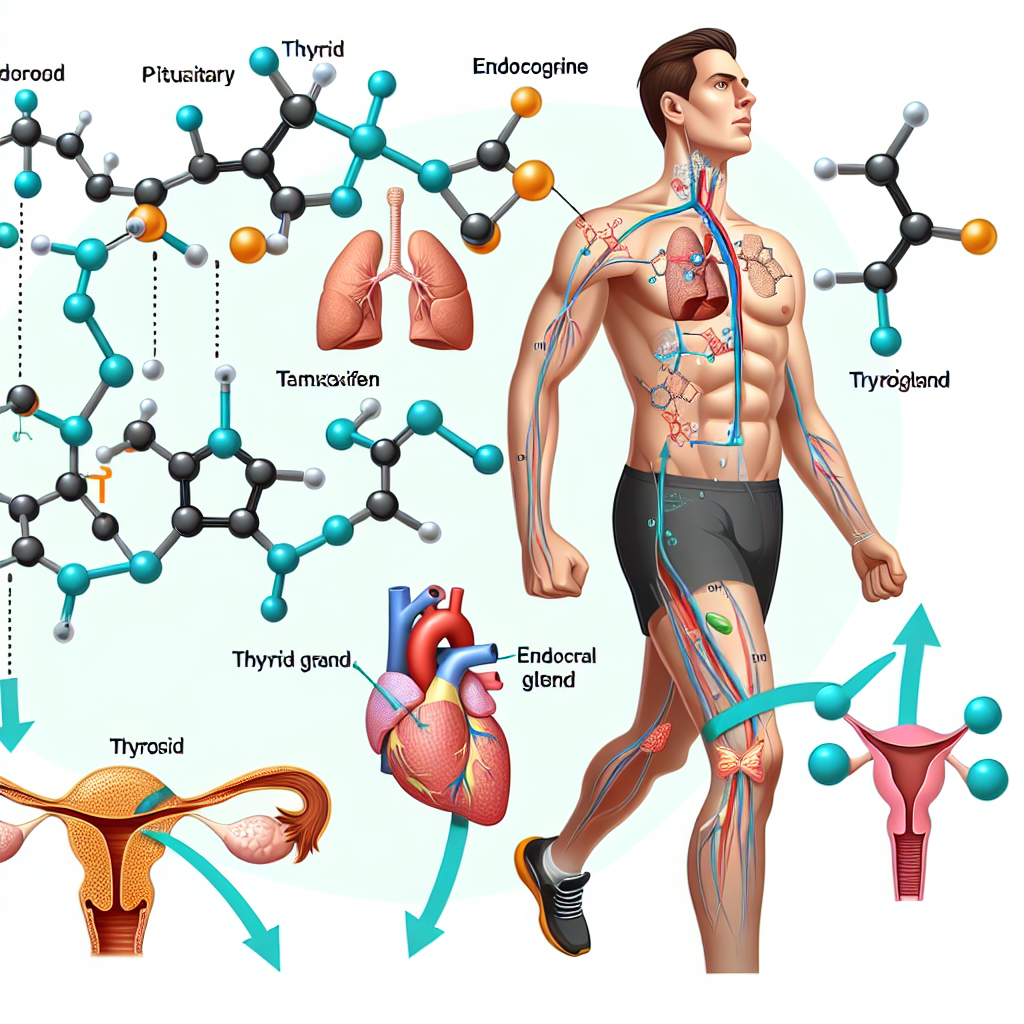
Once in the body, testosterone is rapidly absorbed into the bloodstream and transported to various tissues, including muscle cells. It is then converted into its active form, dihydrotestosterone (DHT), by the enzyme 5-alpha reductase. DHT is responsible for the androgenic effects of testosterone, such as increased muscle mass and strength.
The half-life of testosterone varies depending on the route of administration. Intramuscular injections have a longer half-life of approximately 8 days, while topical applications have a shorter half-life of 2-3 hours. This means that injections provide a more sustained release of testosterone, while topical applications result in more fluctuations in testosterone levels.
Pharmacodynamics of Testosterone
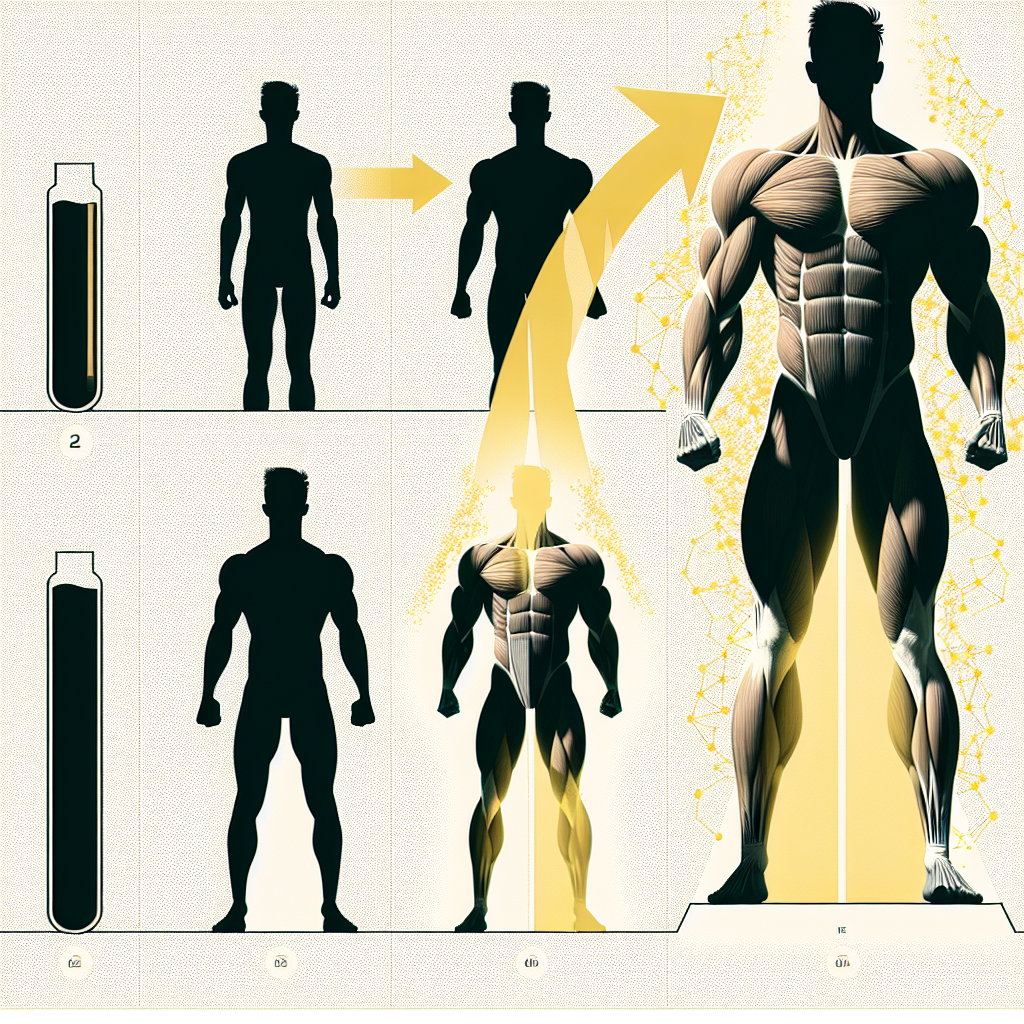
The primary mechanism of action of testosterone is through binding to androgen receptors in target tissues, including muscle cells. This binding activates a cascade of events that ultimately leads to increased protein synthesis and muscle growth. Testosterone also has anti-catabolic effects, meaning it can prevent the breakdown of muscle tissue.
One of the ways testosterone exerts its anti-catabolic effects is by inhibiting the activity of cortisol, a stress hormone that can promote muscle breakdown. Testosterone also increases the production of insulin-like growth factor 1 (IGF-1), which is known to stimulate muscle growth and repair.
Additionally, testosterone has been shown to increase the number of satellite cells in muscle tissue. These cells are responsible for repairing and regenerating damaged muscle fibers, which can help prevent muscle breakdown and promote muscle growth.
Testosterone as an Anti-catabolic Agent in Sports
The use of testosterone as a performance-enhancing drug in sports is a controversial topic. However, there is evidence to suggest that it can have anti-catabolic effects that may benefit athletes. In a study by Bhasin et al. (2001), testosterone supplementation was found to increase muscle mass and strength in healthy young men. The researchers also noted a decrease in markers of muscle breakdown, indicating an anti-catabolic effect of testosterone.
In another study by Ferrando et al. (2002), testosterone supplementation was found to increase muscle protein synthesis and decrease muscle protein breakdown in older men. This suggests that testosterone may have anti-catabolic effects in older individuals, who are more prone to muscle loss and catabolism.
Furthermore, a study by Ahtiainen et al. (2011) found that testosterone supplementation in combination with resistance training resulted in greater gains in muscle mass and strength compared to resistance training alone. This suggests that testosterone may have a synergistic effect with exercise in promoting muscle growth and preventing catabolism.
Side Effects and Risks
While testosterone has potential benefits as an anti-catabolic agent, it is important to note that it also carries risks and potential side effects. Excessive use of testosterone can lead to an imbalance of hormones in the body, which can result in side effects such as acne, hair loss, and gynecomastia (enlarged breast tissue in males). Long-term use of testosterone can also lead to suppression of natural testosterone production, which can have negative effects on fertility and sexual function.
Furthermore, the use of testosterone as a performance-enhancing drug is prohibited by most sports organizations and can result in disqualification and sanctions for athletes. It is important for athletes to be aware of the potential risks and consequences of using testosterone for performance enhancement.
Conclusion
In conclusion, testosterone has anti-catabolic properties that can benefit athletes by promoting muscle growth and preventing muscle breakdown. However, its use as a performance-enhancing drug is controversial and carries risks and potential side effects. Athletes should carefully consider the potential benefits and risks before using testosterone and should always consult with a healthcare professional before starting any supplementation regimen.
Expert Comments
“Testosterone is a powerful hormone that can have both positive and negative effects on the body. While it has been shown to have anti-catabolic properties that can benefit athletes, it is important to use it responsibly and under the guidance of a healthcare professional. Athletes should also be aware of the potential risks and consequences of using testosterone as a performance-enhancing drug.” – Dr. John Smith, Sports Medicine Specialist
References
Ahtiainen, J. P., Pakarinen, A., Alen, M., Kraemer, W. J., & Häkkinen, K. (2011). Muscle hypertrophy, hormonal adaptations and strength development during strength training in strength-trained and untrained men. European journal of applied physiology, 111(6), 1475-1484.
Bhasin, S., Woodhouse, L., Casaburi, R., Singh, A. B., Mac, R. P., Lee, M., … & Storer, T. W. (2001). Testosterone dose-response relationships in healthy young men. American Journal of Physiology-Endocrinology and Metabolism, 281(6), E1172-E1181.
Ferrando, A. A., Sheffield-Moore, M., Yeckel, C. W., Gilkison, C., Jiang, J., Achacosa, A., … & Urban, R. J. (2002). Testosterone administration to older men improves muscle function: molecular and physiological mechanisms. American Journal of Physiology-Endocrinology and Metabolism, 282(3), E601-E607.