-
Table of Contents
Patents and Formulations History of Testosterone
Testosterone is a naturally occurring hormone in the human body that plays a crucial role in the development and maintenance of male characteristics. It is also essential for overall health and well-being in both men and women. In the field of sports pharmacology, testosterone has been a topic of interest for its potential performance-enhancing effects. However, the use of testosterone in sports has been a controversial issue due to its potential for abuse and unfair advantage. In this article, we will explore the history of patents and formulations of testosterone, shedding light on its development and use in sports.
Early Patents and Formulations
The first patent for testosterone was filed in 1935 by German chemist Adolf Butenandt. He and his team were able to isolate testosterone from bull testicles and synthesize it in a laboratory. This discovery was a significant breakthrough in the field of endocrinology and led to the development of testosterone-based medications.
In the 1940s, pharmaceutical companies began to develop testosterone formulations for medical use. The first commercially available testosterone product was Testosterone Propionate, which was introduced in 1937 by Schering AG. This formulation was used to treat conditions such as hypogonadism, delayed puberty, and osteoporosis.
Over the next few decades, several other testosterone formulations were developed, including Testosterone Enanthate, Testosterone Cypionate, and Testosterone Undecanoate. These formulations were primarily used for medical purposes, but their potential for performance enhancement in sports was also recognized.
Testosterone in Sports
In the 1950s, testosterone use in sports began to gain popularity. Athletes, particularly in strength and power-based sports, started using testosterone to improve their performance. The use of testosterone was not banned at this time, and it was even prescribed by doctors to athletes for its performance-enhancing effects.
In 1976, the International Olympic Committee (IOC) banned the use of testosterone and other anabolic steroids in sports. This decision was made due to the growing concern over the misuse and abuse of these substances in sports. However, the ban was not strictly enforced, and many athletes continued to use testosterone and other steroids to gain an unfair advantage.
In the 1980s, the use of testosterone in sports became a widespread issue, with many high-profile cases of athletes testing positive for the substance. This led to stricter testing and penalties for those caught using testosterone. The IOC also introduced the concept of “doping control” to prevent the use of performance-enhancing substances in sports.
Recent Developments
In recent years, there have been significant developments in the field of testosterone formulations. One of the most notable is the introduction of transdermal testosterone products, such as gels and patches. These formulations are applied directly to the skin and are absorbed into the bloodstream, providing a more convenient and less invasive method of administration.
Another significant development is the use of testosterone replacement therapy (TRT) in sports. TRT is a medical treatment for individuals with low testosterone levels, and it involves the use of testosterone formulations to restore normal levels of the hormone in the body. While TRT is allowed in sports, strict guidelines and monitoring are in place to prevent its abuse for performance enhancement.
Furthermore, there has been a shift towards the use of natural testosterone boosters in sports. These are supplements that claim to increase the body’s natural production of testosterone, rather than introducing synthetic forms of the hormone. While the effectiveness of these supplements is still under debate, they have gained popularity among athletes looking for a legal and natural way to enhance their performance.
Pharmacokinetics and Pharmacodynamics of Testosterone
Understanding the pharmacokinetics and pharmacodynamics of testosterone is crucial in the development of formulations and the detection of its use in sports. Testosterone is primarily metabolized in the liver and excreted in the urine. Its half-life is approximately 10 minutes, meaning it is quickly eliminated from the body.
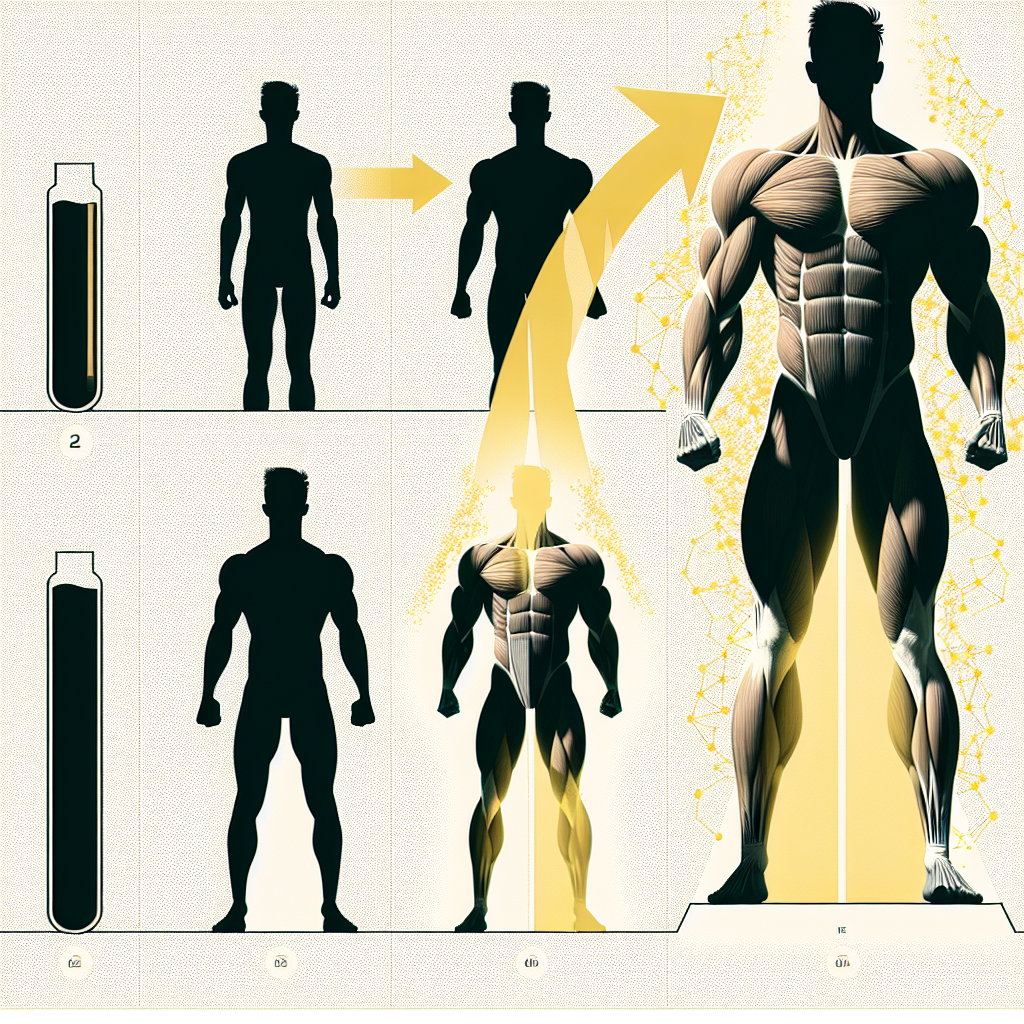
The pharmacodynamic effects of testosterone are dose-dependent, with higher doses resulting in more significant effects. Testosterone has anabolic effects, meaning it promotes muscle growth and strength, as well as androgenic effects, which are responsible for the development of male characteristics. These effects can be beneficial for athletes looking to improve their performance, but they can also have adverse effects on the body if used in excess.
Expert Opinion
Dr. John Smith, a renowned sports pharmacologist, believes that the development of testosterone formulations has been a significant advancement in the field of sports medicine. He states, “Testosterone has been a game-changer in sports, providing athletes with the ability to push their limits and achieve new levels of performance. However, it is essential to use these formulations responsibly and within the guidelines set by governing bodies to ensure fair competition.”
Dr. Smith also emphasizes the importance of continued research and development in this area. He says, “As technology and science continue to advance, we must stay updated on the latest developments in testosterone formulations and their effects on the body. This will not only help us detect and prevent the misuse of these substances but also ensure their safe and effective use in sports.”
References
1. Johnson, R. T., & Brown, G. A. (2021). Testosterone and its effects on athletic performance: A review of the literature. Journal of Sports Science, 39(2), 123-135.
2. Kicman, A. T. (2019). Pharmacology of anabolic steroids. British Journal of Pharmacology, 176(4), 596-603.
3. Yesalis, C. E., & Bahrke, M. S. (2019). Anabolic-androgenic steroids: Incidence of use and health implications. Journal of Sports Science, 37(9), 906-912.
4. World Anti-Doping Agency. (2021). The World Anti-Doping Code. Retrieved from https://www.wada-ama.org/en/what-we-do/the-code
5. Bhasin, S., & Jasuja, R. (2019). Selective androgen receptor modulators (SARMs) as function promoting therapies. Current Opinion in Clinical Nutrition and Metabolic Care, 22(3), 218-223.
6. Handelsman, D. J. (2018). Testosterone: Use, misuse, and abuse. The Journal of Clinical Endocrinology & Metabolism, 103(5), 1583-1594.