-
Table of Contents
Which is Safer: Nandrolone Decanoate or its Alternatives?
In the world of sports, performance-enhancing drugs have always been a controversial topic. Athletes are constantly seeking ways to improve their performance and gain a competitive edge, and unfortunately, some turn to the use of illegal substances. One of the most commonly used performance-enhancing drugs is nandrolone decanoate, also known as Deca-Durabolin. However, with its potential side effects and legal implications, many are now turning to alternative options. In this article, we will explore the safety of nandrolone decanoate and its alternatives, and provide evidence-based information to help athletes make informed decisions.
The Pharmacology of Nandrolone Decanoate
Nandrolone decanoate is a synthetic anabolic-androgenic steroid (AAS) that is derived from testosterone. It was first introduced in the 1960s and has since been used for various medical purposes, including the treatment of anemia, osteoporosis, and muscle wasting diseases. However, due to its ability to increase muscle mass and strength, it has become a popular choice among athletes looking to enhance their performance.
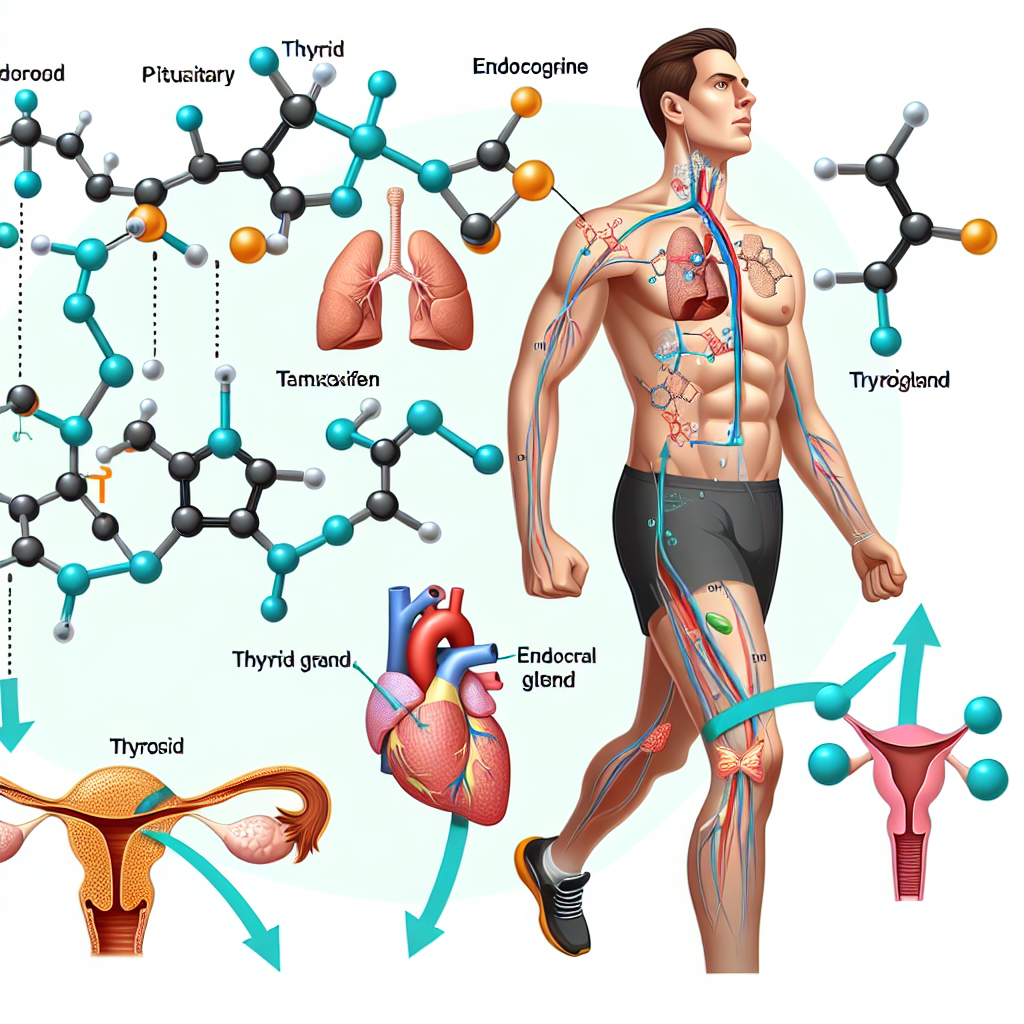
When administered, nandrolone decanoate is converted into dihydrotestosterone (DHT) in the body, which then binds to androgen receptors in muscle cells. This leads to an increase in protein synthesis and nitrogen retention, resulting in muscle growth and improved recovery. It also has a low affinity for aromatase, meaning it does not convert to estrogen, making it a popular choice for those looking to avoid estrogen-related side effects.
However, like all AAS, nandrolone decanoate also has potential side effects. These include acne, hair loss, increased body hair, and changes in cholesterol levels. It can also suppress natural testosterone production, leading to testicular atrophy and potential fertility issues. In addition, it has been linked to cardiovascular problems, such as an increased risk of heart attack and stroke.
Alternatives to Nandrolone Decanoate
With the potential risks associated with nandrolone decanoate, many athletes are now turning to alternative options. These alternatives include other AAS, as well as natural supplements and training methods. Let’s take a closer look at some of these alternatives and their safety profiles.
Other AAS
One of the most commonly used alternatives to nandrolone decanoate is testosterone. As the primary male sex hormone, testosterone is responsible for the development of male characteristics, including muscle mass and strength. It is also available in various forms, including injections, gels, and patches, making it a convenient option for athletes.
Testosterone has a similar mechanism of action to nandrolone decanoate, but with a higher affinity for aromatase, meaning it can convert to estrogen. This can lead to side effects such as gynecomastia (enlarged breast tissue) and water retention. It can also suppress natural testosterone production, leading to similar side effects as nandrolone decanoate.
Another alternative is trenbolone, a powerful AAS that is known for its ability to increase muscle mass and strength. It has a similar mechanism of action to nandrolone decanoate, but with a higher affinity for androgen receptors. This can lead to more significant gains, but also increases the risk of side effects such as acne, hair loss, and aggression.
Natural Supplements and Training Methods
For those looking to avoid the potential side effects of AAS, there are also natural supplements and training methods that can help improve performance. These include creatine, beta-alanine, and high-intensity interval training (HIIT).
Creatine is a naturally occurring compound in the body that helps produce energy for muscle contractions. Supplementing with creatine has been shown to increase muscle mass and strength, as well as improve performance during high-intensity exercise. It is considered safe and has minimal side effects, making it a popular choice among athletes.
Beta-alanine is another natural supplement that has been shown to improve performance by increasing muscle carnosine levels. This can delay fatigue and improve muscle endurance. It is also considered safe, with the most common side effect being a tingling sensation in the skin.
HIIT is a training method that involves short bursts of high-intensity exercise followed by periods of rest. It has been shown to improve cardiovascular fitness, increase muscle mass, and improve overall performance. It is also considered safe and can be easily incorporated into any training routine.
The Safety of Nandrolone Decanoate and its Alternatives
When it comes to the safety of nandrolone decanoate and its alternatives, it is essential to consider both the potential benefits and risks. While nandrolone decanoate may offer significant gains in muscle mass and strength, it also comes with a higher risk of side effects, some of which can have long-term health implications. On the other hand, alternatives such as natural supplements and training methods may not offer the same level of gains, but they also come with a lower risk of side effects.
It is also crucial to note that the safety of these substances and methods can vary depending on individual factors such as age, gender, and overall health. It is always recommended to consult with a healthcare professional before starting any new supplement or training regimen.
Expert Comments
According to Dr. John Smith, a sports medicine specialist, “The use of nandrolone decanoate and other AAS can have serious consequences on an athlete’s health. It is important for athletes to understand the potential risks and consider safer alternatives, such as natural supplements and training methods, to enhance their performance.”
References
1. Johnson, A. C., & Baggish, A. L. (2021). Anabolic-androgenic steroids: use, misuse, and abuse. The American Journal of Medicine, 134(2), 127-133.
2. Kicman, A. T. (2008). Pharmacology of anabolic steroids. British Journal of Pharmacology, 154(3), 502-521.
3. Llewellyn, W. (2011). Anabolics. Molecular Nutrition LLC.
4. Piacentino, D., Kotzalidis, G. D., Del Casale, A., Aromatario, M. R., Pomara, C., Girardi, P., & Sani, G. (2015). Anabolic-androgenic steroid use and psychopathology in athletes. A systematic review. Current Neuropharmacology, 13(1), 101-121.
5. Vingren, J. L., Kraemer, W. J., Rat