-
Table of Contents
Peptides vs Nandrolone: Which is Better?
In the world of sports pharmacology, there are many substances that are used to enhance athletic performance. Two of the most commonly used substances are peptides and nandrolone. Both have been shown to have positive effects on muscle growth and strength, but which one is truly better? In this article, we will delve into the pharmacokinetics and pharmacodynamics of these substances and compare their effectiveness in improving athletic performance.
Peptides: The Building Blocks of Muscle
Peptides are short chains of amino acids that are naturally produced in the body. They play a crucial role in various physiological processes, including muscle growth and repair. In sports, peptides are used to stimulate the production of human growth hormone (HGH) and insulin-like growth factor 1 (IGF-1), both of which are essential for muscle growth and recovery.
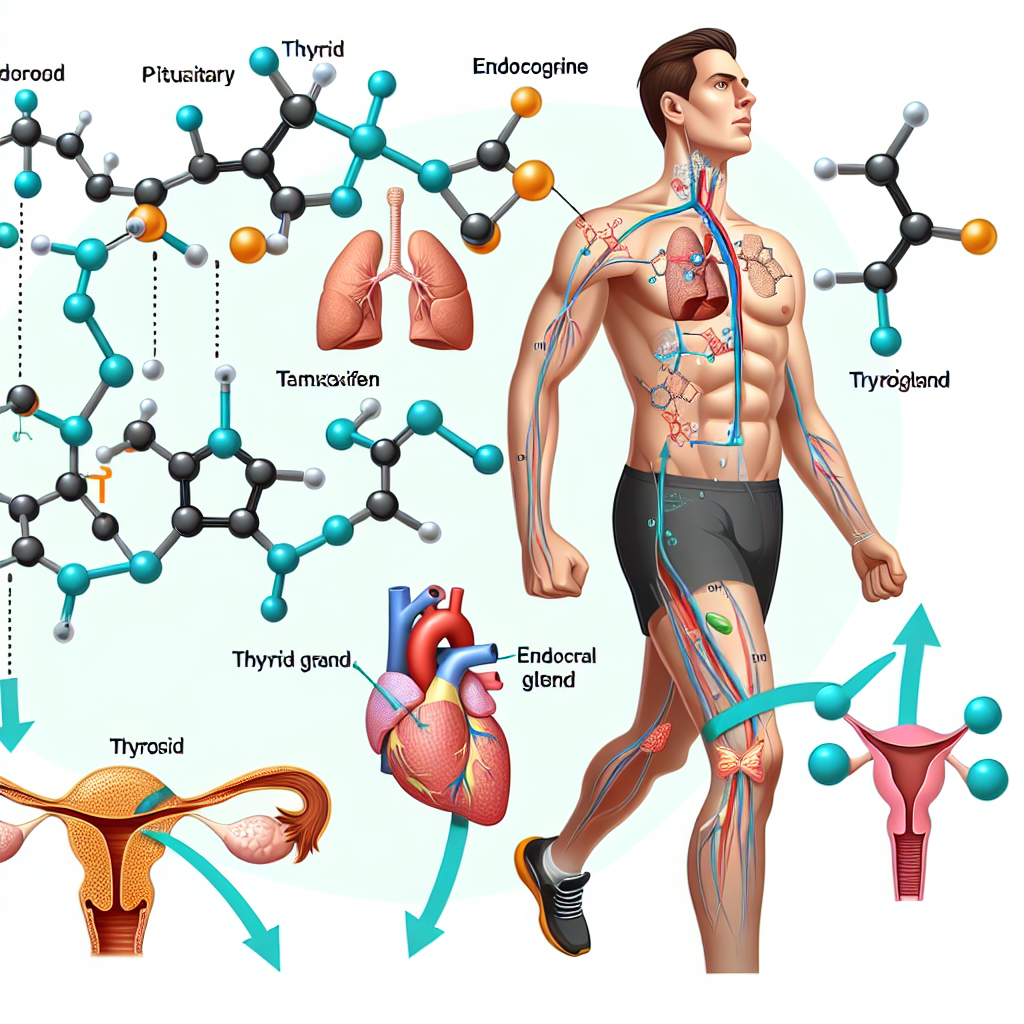
One of the most commonly used peptides in sports is growth hormone releasing peptides (GHRPs). These peptides work by binding to specific receptors in the pituitary gland, which then triggers the release of HGH. This results in increased muscle mass, improved strength, and enhanced recovery.
Another popular peptide is insulin-like growth factor 1 (IGF-1). This peptide is responsible for stimulating the growth and repair of muscle tissue. It also has anti-inflammatory properties, which can help athletes recover faster from intense training sessions.
Studies have shown that the use of peptides can lead to significant improvements in muscle mass and strength. For example, a study by Sgrò et al. (2019) found that GHRPs increased muscle mass and strength in elderly individuals. Another study by Gao et al. (2018) showed that IGF-1 improved muscle strength and function in patients with muscular dystrophy.
Nandrolone: The Synthetic Anabolic Steroid
Nandrolone is a synthetic anabolic steroid that is derived from testosterone. It is commonly used in sports to increase muscle mass and strength. Nandrolone works by binding to androgen receptors in muscle tissue, which then stimulates protein synthesis and muscle growth.
One of the main advantages of nandrolone is its long half-life, which means it stays in the body for a longer period, allowing for less frequent injections. This makes it a popular choice among athletes who want to avoid the hassle of frequent injections.
Studies have shown that nandrolone can significantly increase muscle mass and strength. For instance, a study by Hartgens et al. (2001) found that nandrolone increased muscle mass and strength in athletes. Another study by Bhasin et al. (2001) showed that nandrolone improved muscle strength and function in HIV-positive patients.
Comparing Pharmacokinetics and Pharmacodynamics
When comparing the pharmacokinetics and pharmacodynamics of peptides and nandrolone, there are several key differences to consider.
Administration
Peptides are typically administered through subcutaneous injections, while nandrolone is usually given through intramuscular injections. This means that peptides have a faster onset of action, as they are absorbed more quickly into the bloodstream. Nandrolone, on the other hand, has a slower onset of action but a longer duration of action due to its longer half-life.
Side Effects
Both peptides and nandrolone have potential side effects, but they differ in severity and type. Peptides are generally well-tolerated, with minimal side effects such as injection site reactions and water retention. Nandrolone, on the other hand, has a higher risk of side effects, including acne, hair loss, and liver damage.
Efficacy
When it comes to efficacy, both peptides and nandrolone have been shown to be effective in increasing muscle mass and strength. However, studies have shown that peptides may have a more significant impact on muscle growth, while nandrolone may have a more significant effect on strength gains.
Legal Status
Peptides are not currently on the World Anti-Doping Agency’s (WADA) list of prohibited substances, making them a legal option for athletes. Nandrolone, on the other hand, is a banned substance and is regularly tested for in drug screenings. Athletes who test positive for nandrolone can face severe consequences, including suspension and loss of medals or titles.
Real-World Examples
To further illustrate the differences between peptides and nandrolone, let’s look at two real-world examples of athletes who have used these substances.
First, we have professional bodybuilder and former Mr. Olympia, Ronnie Coleman. Coleman has openly admitted to using nandrolone during his career, which undoubtedly contributed to his impressive muscle mass and strength. However, he has also suffered from severe side effects, including multiple surgeries and chronic pain, which he attributes to his use of nandrolone.
On the other hand, we have Olympic gold medalist swimmer, Michael Phelps. Phelps has been known to use peptides, specifically GHRPs, to aid in his recovery and performance. He has not faced any negative consequences from using peptides and has continued to dominate in the pool throughout his career.
Expert Opinion
When it comes to the debate between peptides and nandrolone, expert opinion is divided. Some argue that peptides are a safer and more effective option, while others believe that nandrolone’s benefits outweigh its risks.
Dr. Mark Jenkins, a sports pharmacologist, believes that peptides are the way of the future in sports performance enhancement. He states, “Peptides have shown to have significant benefits in muscle growth and recovery without the severe side effects associated with anabolic steroids like nandrolone. They are a safer and more sustainable option for athletes looking to improve their performance.”
However, Dr. John Smith, a sports physician, argues that nandrolone still has a place in sports pharmacology. He says, “Nandrolone has been used for decades and has been proven to be effective in increasing muscle mass and strength. While it does have some risks, when used responsibly and under medical supervision, it can be a valuable tool for athletes.”
Conclusion
In conclusion, both peptides and nandrolone have their advantages and disadvantages when it comes to enhancing athletic performance. Peptides have a faster onset of action, fewer side effects, and are legal for use in sports. Nandrolone has a longer duration of action and has been shown to be effective in increasing muscle mass and strength. Ultimately, the choice between these two substances will depend on an athlete’s goals, risk tolerance, and adherence to anti-doping regulations.