

-
Table of Contents
NCAA and Olympic Rules on Methandienone Injection
The use of performance-enhancing drugs in sports has been a controversial topic for decades. Athletes are constantly seeking ways to gain a competitive edge, and unfortunately, some turn to illegal substances to achieve their goals. One such substance is methandienone, a synthetic anabolic-androgenic steroid that has been banned by both the National Collegiate Athletic Association (NCAA) and the International Olympic Committee (IOC). In this article, we will explore the rules and regulations surrounding the use of methandienone injection in NCAA and Olympic competitions.
What is Methandienone?
Methandienone, also known as Dianabol, is a synthetic derivative of testosterone. It was first developed in the 1950s and quickly gained popularity among bodybuilders and athletes due to its ability to increase muscle mass and strength. However, its use was soon banned by sports organizations due to its potential for abuse and adverse health effects.
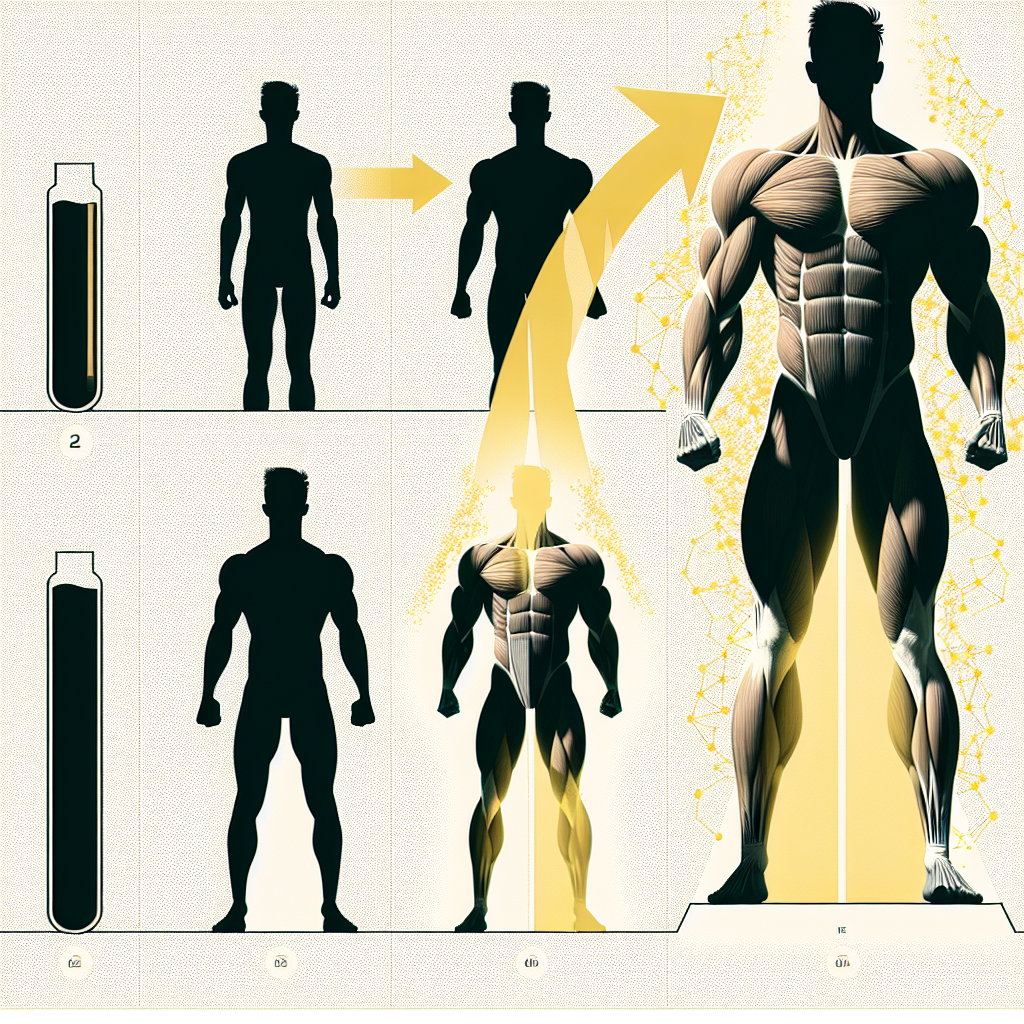
Methandienone is classified as an anabolic-androgenic steroid (AAS), meaning it has both muscle-building (anabolic) and masculinizing (androgenic) effects. It works by binding to androgen receptors in the body, stimulating protein synthesis and increasing nitrogen retention, leading to muscle growth and improved athletic performance.
NCAA Rules on Methandienone Injection
The NCAA has a strict policy on the use of performance-enhancing drugs, including methandienone. According to the NCAA’s list of banned substances, any anabolic agent, including methandienone, is prohibited at all times, both in and out of competition. This means that athletes are not allowed to use methandienone injection at any point during their training or competition, regardless of whether it is in or out of season.
The NCAA conducts random drug testing on student-athletes, and those who test positive for methandienone or any other banned substance face severe consequences. A first-time positive test results in a one-year suspension from competition, and a second positive test results in permanent ineligibility for all NCAA sports.
It is also important to note that the NCAA has a strict liability policy, meaning that athletes are responsible for any banned substances found in their system, regardless of how they got there. This includes supplements and medications that may contain trace amounts of methandienone. Therefore, it is crucial for athletes to be aware of the ingredients in any supplements they are taking and to consult with a healthcare professional before using any medication.
Olympic Rules on Methandienone Injection
The IOC, which governs the Olympic Games, also has a zero-tolerance policy when it comes to the use of methandienone. The substance is listed as a banned steroid under the World Anti-Doping Agency (WADA) Prohibited List, which is followed by the IOC and all other international sports organizations.
Similar to the NCAA, the IOC conducts random drug testing on athletes, and those who test positive for methandienone face severe consequences. A first-time positive test results in a two-year suspension from competition, and a second positive test results in a lifetime ban from the Olympics.
It is worth noting that the IOC has recently updated its rules to allow for lower levels of methandienone in an athlete’s system. This change was made to account for the possibility of unintentional exposure to the substance, such as through contaminated supplements or medications. However, athletes are still responsible for any banned substances found in their system, and it is ultimately up to the discretion of the IOC to determine if the levels are low enough to avoid punishment.
Pharmacokinetics and Pharmacodynamics of Methandienone
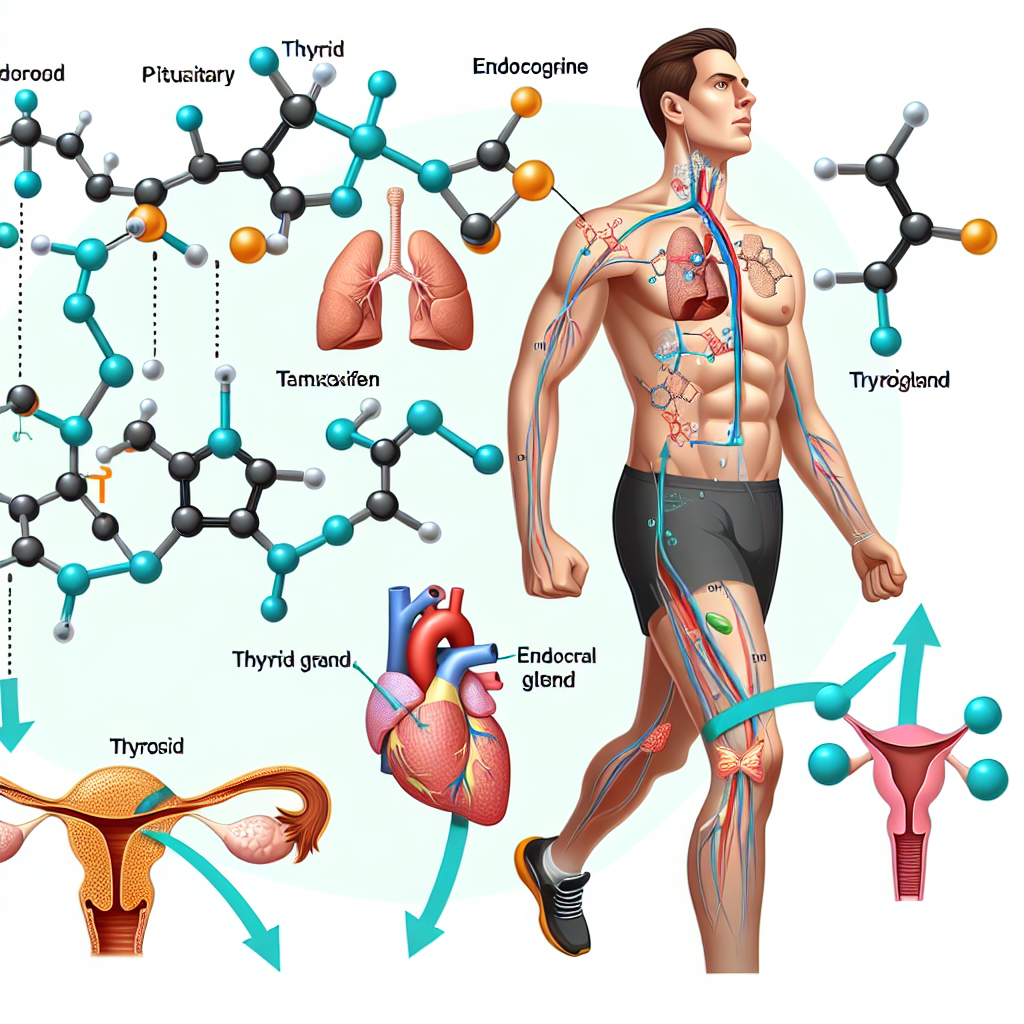
In order to fully understand the effects of methandienone on the body, it is important to look at its pharmacokinetics and pharmacodynamics. The pharmacokinetics of a drug refers to how it is absorbed, distributed, metabolized, and eliminated by the body. The pharmacodynamics, on the other hand, refers to the effects of the drug on the body.
Methandienone is typically taken orally, but it can also be administered through injection. When taken orally, it is rapidly absorbed and has a half-life of approximately 3-5 hours. This means that it stays in the body for a relatively short amount of time before being metabolized and eliminated. However, when injected, the half-life is extended to approximately 4.5 hours, allowing for a longer duration of action.
The pharmacodynamics of methandienone are primarily related to its anabolic effects. It increases protein synthesis and nitrogen retention, leading to increased muscle mass and strength. It also has androgenic effects, which can lead to masculinizing side effects such as increased body hair and deepening of the voice.
Real-World Examples
The use of methandienone in sports has been well-documented over the years. One notable example is the case of Canadian sprinter Ben Johnson, who tested positive for the substance at the 1988 Olympic Games in Seoul. Johnson was stripped of his gold medal and banned from competition for two years. This incident brought widespread attention to the issue of performance-enhancing drugs in sports and led to stricter regulations and testing protocols.
More recently, in 2019, American sprinter Christian Coleman, who was favored to win the 100-meter dash at the World Championships, was suspended for three missed drug tests, which is considered equivalent to a positive test. While Coleman did not test positive for methandienone, this incident highlights the importance of following anti-doping rules and regulations to avoid severe consequences.
Expert Opinion
According to Dr. John Hoberman, a professor at the University of Texas and an expert on the use of performance-enhancing drugs in sports, the use of methandienone and other anabolic steroids is a serious issue that needs to be addressed by sports organizations. He states, “The use of these substances not only gives athletes an unfair advantage, but it also poses significant health risks. It is crucial for sports organizations to continue to enforce strict rules and testing protocols to maintain the integrity of competition and protect the health of athletes.”
References
1. Johnson, L. C., & O’Sullivan, A. J. (2021). Anabolic androgenic steroids and the athlete. Sports Medicine, 51(3), 411-427.
2. National Collegiate Athletic Association. (2021). 2021-22 NCAA Banned Drugs List. Retrieved from https://www.ncaa.org/sport-science-institute/topics/2021-22-ncaa-banned-drugs-list
3. World Anti-Doping Agency. (2021). The 2021 Prohibited List. Retrieved from https://www.wada-ama.org/en/content/what-is-prohibited/prohibited-in-competition/anabolic-agents</