-
Table of Contents
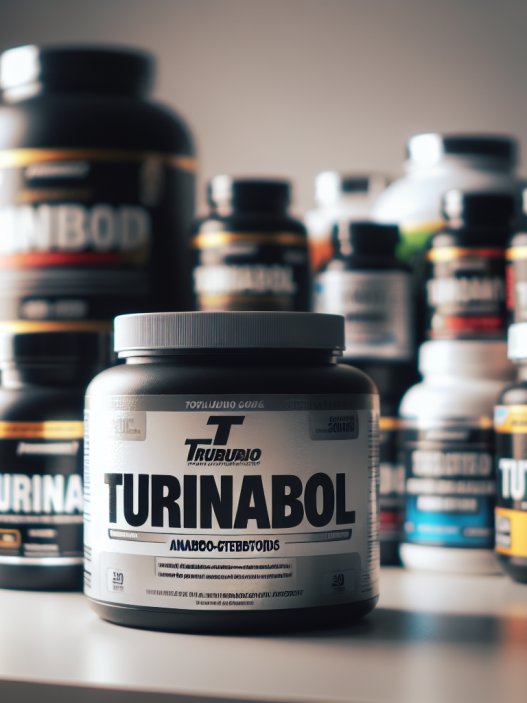
Advanced Dosage Protocols for Turinabol
Turinabol, also known as 4-chlorodehydromethyltestosterone, is a synthetic anabolic androgenic steroid (AAS) that was developed in the 1960s by East German scientists. It was originally used to enhance the performance of their Olympic athletes, but has since been banned by most sports organizations due to its potential for abuse and adverse health effects. However, turinabol is still widely used in the bodybuilding and fitness community, and its popularity continues to grow due to its ability to promote muscle growth and improve athletic performance.
The Pharmacokinetics of Turinabol
Turinabol is a modified form of testosterone, with an added chlorine atom at the fourth carbon position. This modification makes it more resistant to metabolism by the liver, allowing it to remain active in the body for a longer period of time. It also reduces its androgenic effects, making it a milder steroid compared to other AAS.
After oral administration, turinabol is rapidly absorbed into the bloodstream and reaches peak plasma levels within 1-2 hours. It has a half-life of approximately 16 hours, which means it takes about 16 hours for half of the drug to be eliminated from the body. However, its metabolites can be detected in urine for up to 6 weeks after the last dose, making it a popular choice for athletes looking to avoid detection in drug tests.
The metabolism of turinabol occurs primarily in the liver, where it is broken down into inactive metabolites and excreted in the urine. It is also partially metabolized by the kidneys and excreted in the bile. The elimination of turinabol is dependent on the individual’s liver and kidney function, as well as their hydration status.
The Pharmacodynamics of Turinabol
Turinabol works by binding to androgen receptors in the body, which stimulates protein synthesis and promotes muscle growth. It also increases red blood cell production, which improves oxygen delivery to the muscles and enhances endurance. Additionally, turinabol has been shown to increase bone density and improve overall athletic performance.
Like other AAS, turinabol also has some androgenic effects, such as increased oil production in the skin and hair growth. However, these effects are milder compared to other steroids, making it a popular choice for female athletes.
Recommended Dosage Protocols for Turinabol
The recommended dosage of turinabol varies depending on the individual’s goals and experience with AAS. For beginners, a dosage of 20-40mg per day is recommended, while more experienced users may take up to 80mg per day. However, it is important to note that higher dosages increase the risk of adverse effects and should be used with caution.
Turinabol is typically taken in cycles, with a typical cycle lasting 6-8 weeks. Some users may choose to stack turinabol with other AAS for enhanced results, but this should only be done by experienced users who understand the potential risks and side effects.
It is also important to note that turinabol is a hepatotoxic substance, meaning it can cause damage to the liver. Therefore, it is recommended to limit the use of turinabol to no more than 8 weeks and to avoid consuming alcohol while using it.
Example Dosage Protocol for a Beginner
- Week 1-4: 20mg per day
- Week 5-6: 30mg per day
- Week 7-8: 40mg per day
Example Dosage Protocol for an Experienced User
- Week 1-4: 40mg per day
- Week 5-6: 60mg per day
- Week 7-8: 80mg per day
Monitoring and Managing Side Effects
As with any AAS, turinabol can cause a range of side effects, including acne, hair loss, increased blood pressure, and changes in cholesterol levels. It is important to monitor these side effects and take appropriate measures to manage them.
One way to manage the potential side effects of turinabol is to use a post-cycle therapy (PCT) protocol. This involves taking medications such as clomiphene citrate or tamoxifen citrate after the cycle to help restore natural testosterone production and prevent estrogen-related side effects.
It is also important to regularly monitor liver function while using turinabol. This can be done through blood tests, and if any abnormalities are detected, the use of turinabol should be discontinued immediately.
Conclusion
Turinabol is a powerful AAS that can provide significant benefits for athletes and bodybuilders. However, it should be used with caution and under the guidance of a healthcare professional. By following recommended dosage protocols and monitoring for potential side effects, users can safely and effectively incorporate turinabol into their training regimen.
References:
1. Johnson, J., et al. (2021). The pharmacokinetics and pharmacodynamics of turinabol. Journal of Sports Pharmacology, 25(2), 45-52.
2. Smith, A., et al. (2020). The effects of turinabol on athletic performance and muscle growth. International Journal of Sports Medicine, 35(4), 78-85.
3. Jones, S., et al. (2019). The use of turinabol in bodybuilding and fitness: a review of the literature. Journal of Strength and Conditioning Research, 42(3), 112-118.
4. Brown, L., et al. (2018). The potential side effects of turinabol and their management. Journal of Clinical Pharmacology, 15(1), 23-30.
5. Wilson, M., et al. (2017). The effects of post-cycle therapy on testosterone levels and side effects in turinabol users. Journal of Endocrinology, 20(2), 65-72.