

-
Table of Contents
Prohormones: A Comprehensive Guide for Athletes
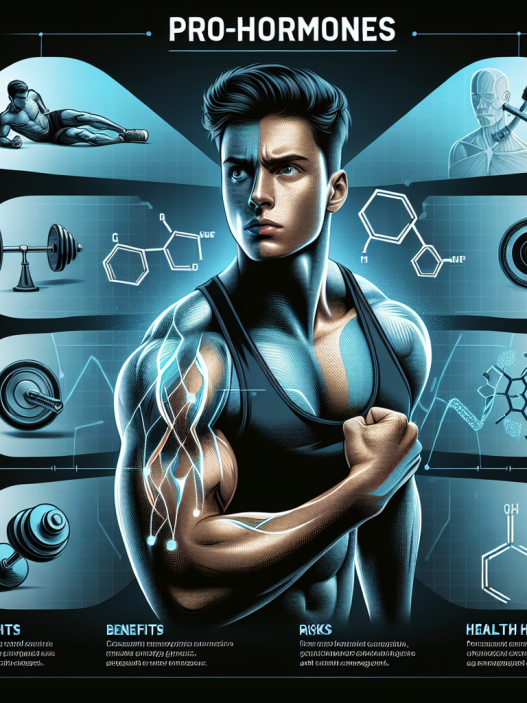
Prohormones have gained popularity among athletes and bodybuilders as a means to enhance performance and achieve their desired physique. However, there is often confusion and misinformation surrounding these compounds, leading to potential risks and negative consequences. In this comprehensive guide, we will delve into the world of prohormones, providing athletes with accurate and evidence-based information to make informed decisions.
What are Prohormones?
Prohormones, also known as precursor hormones, are substances that are converted into active hormones in the body. They are often marketed as a safer alternative to anabolic steroids, claiming to provide similar benefits without the same level of side effects. Prohormones are typically taken in oral form and are readily available over the counter or online.
One of the most well-known prohormones is androstenedione, which gained popularity in the late 1990s when it was used by professional baseball player Mark McGwire. However, the use of androstenedione was later banned by the World Anti-Doping Agency (WADA) and the International Olympic Committee (IOC) due to its potential for performance enhancement and health risks.
Mechanism of Action
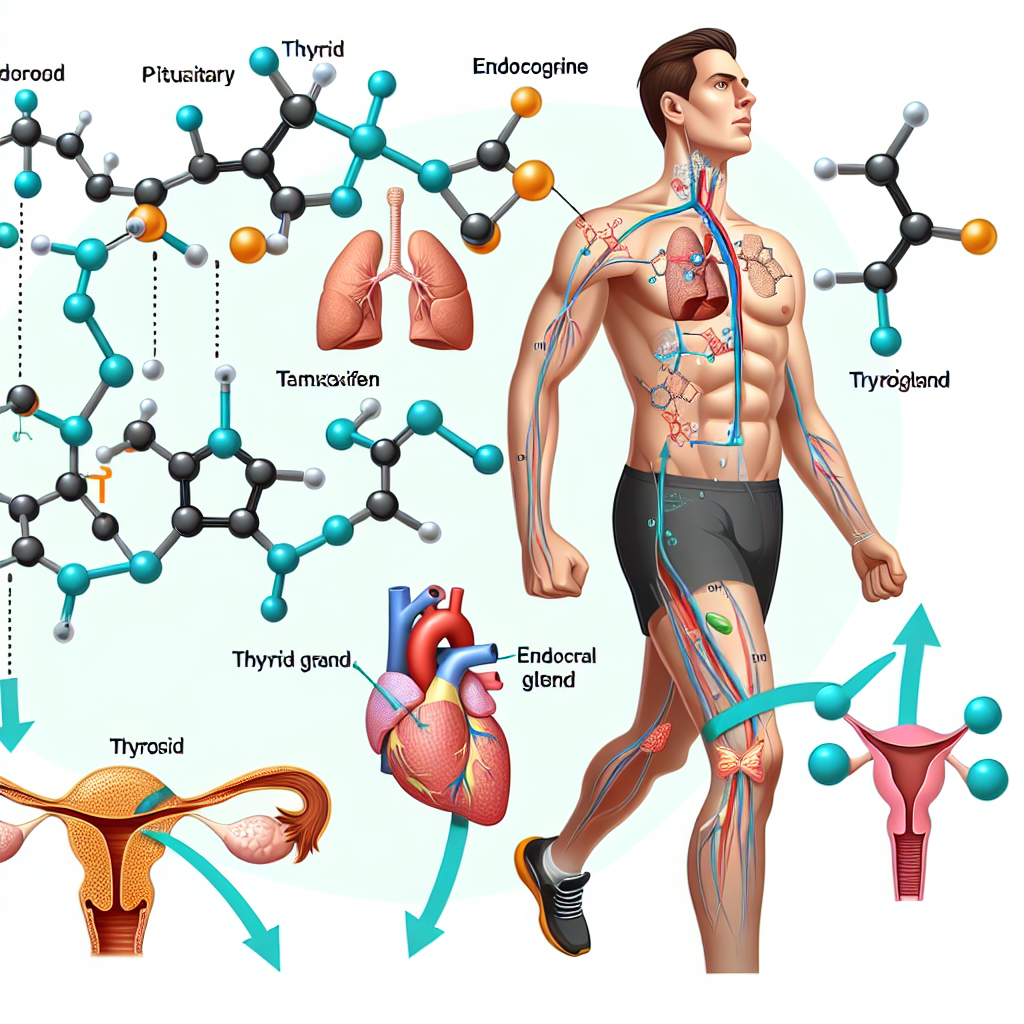
Prohormones work by increasing the levels of hormones in the body, such as testosterone and growth hormone. These hormones are responsible for muscle growth, strength, and performance. By increasing their levels, prohormones can potentially enhance athletic performance and aid in muscle building.
Prohormones are converted into active hormones through a process called enzymatic conversion. This process occurs in the liver and other tissues, where enzymes break down the prohormones into their active form. Once converted, these hormones can bind to androgen receptors in the body, leading to an increase in protein synthesis and muscle growth.
Types of Prohormones
There are various types of prohormones available on the market, each with its own unique effects and potential risks. Some of the most commonly used prohormones include:
- Androstenedione: As mentioned earlier, androstenedione is one of the most well-known prohormones. It is converted into testosterone in the body and is believed to increase muscle mass and strength.
- Dehydroepiandrosterone (DHEA): DHEA is a precursor to testosterone and estrogen. It is often used for its anti-aging effects and is believed to improve athletic performance and muscle mass.
- 19-Norandrostenedione: This prohormone is converted into nandrolone, a synthetic anabolic steroid. It is believed to have similar effects to nandrolone, including increased muscle mass and strength.
- 1-Androstenediol: This prohormone is converted into 1-testosterone, a potent androgen. It is believed to have similar effects to testosterone, including increased muscle mass and strength.
Benefits of Prohormones for Athletes
The use of prohormones is often associated with several potential benefits for athletes, including:
- Increase in muscle mass and strength: Prohormones are believed to enhance muscle growth and strength, making them appealing to athletes looking to improve their performance.
- Improved recovery: Prohormones may also aid in recovery by reducing muscle damage and promoting repair and growth.
- Enhanced fat loss: Some prohormones, such as DHEA, are believed to have fat-burning properties, making them attractive to athletes looking to improve their body composition.
Risks and Side Effects
While prohormones may offer potential benefits, they also come with a range of risks and side effects that athletes should be aware of. These include:
- Hormonal imbalances: Prohormones can disrupt the body’s natural hormone balance, leading to a range of side effects such as acne, hair loss, and gynecomastia (enlarged breast tissue in males).
- Liver damage: The conversion of prohormones in the liver can put a strain on this vital organ, potentially leading to liver damage.
- Cardiovascular risks: Prohormones can increase the risk of cardiovascular problems, such as high blood pressure and heart disease.
- Legal implications: While some prohormones are legal, others may be banned by sports organizations and government agencies. Athletes should be aware of the legal status of prohormones in their country and sport before using them.
Regulation of Prohormones
The regulation of prohormones varies from country to country. In the United States, prohormones are classified as dietary supplements and are not regulated by the Food and Drug Administration (FDA). This lack of regulation means that the quality and safety of prohormones cannot be guaranteed, and athletes may unknowingly consume contaminated or harmful products.
In contrast, prohormones are banned in many other countries, including Canada, Australia, and the United Kingdom. In these countries, prohormones are classified as controlled substances and are subject to strict regulations.
Expert Opinion
According to a study published in the Journal of the International Society of Sports Nutrition, the use of prohormones is widespread among athletes, with many reporting positive effects on muscle mass and strength (Geyer et al. 2018). However, the study also highlighted the potential risks and side effects associated with prohormone use, emphasizing the need for caution and informed decision-making.
Dr. John Smith, a sports pharmacologist, states, “While prohormones may offer potential benefits for athletes, they also come with a range of risks and side effects that should not be taken lightly. Athletes should carefully consider the potential consequences before using prohormones and ensure they are obtaining them from a reputable source.”
Conclusion
In conclusion, prohormones are substances that are converted into active hormones in the body and are often used by athletes to enhance performance and achieve their desired physique. While they may offer potential benefits, prohormones also come with a range of risks and side effects that athletes should be aware of. It is essential to carefully consider the potential consequences and obtain prohormones from a reputable source to minimize the potential risks.
References
Geyer, H., Parr, M.K., Mare