



-
Table of Contents
Implications of Cholesterol Levels in the Sports Arena
Cholesterol is a vital component of our body’s cell membranes and is essential for the production of hormones, vitamin D, and bile acids. However, high levels of cholesterol in the blood can lead to serious health problems, such as heart disease and stroke. In the sports arena, cholesterol levels can have significant implications for athletes’ performance and overall health. In this article, we will explore the role of cholesterol in sports and its impact on athletes.
The Importance of Cholesterol in Sports
Cholesterol plays a crucial role in the body’s energy production and muscle function, making it essential for athletes. It is a major component of the cell membrane, which is responsible for maintaining the integrity and fluidity of cells. This is particularly important for athletes who engage in high-intensity physical activities, as their cells need to be able to adapt quickly to changing conditions.
Moreover, cholesterol is a precursor for the production of steroid hormones, including testosterone, which is vital for muscle growth and repair. Testosterone also plays a role in increasing muscle strength and endurance, making it a crucial hormone for athletes. Therefore, maintaining optimal cholesterol levels is essential for athletes to perform at their best.
The Impact of High Cholesterol on Athletic Performance
High cholesterol levels can have a significant impact on an athlete’s performance. One study found that athletes with high cholesterol levels had reduced muscle strength and endurance compared to those with normal cholesterol levels (Mora et al. 2017). This is because high cholesterol can lead to the formation of plaques in the arteries, reducing blood flow to the muscles and limiting their ability to perform at their full potential.
Furthermore, high cholesterol levels can also lead to a condition called atherosclerosis, where the arteries become narrowed and hardened due to the buildup of cholesterol and other substances. This can increase the risk of heart disease and stroke, which can have a severe impact on an athlete’s performance and overall health.
The Role of Statins in Managing Cholesterol Levels in Athletes
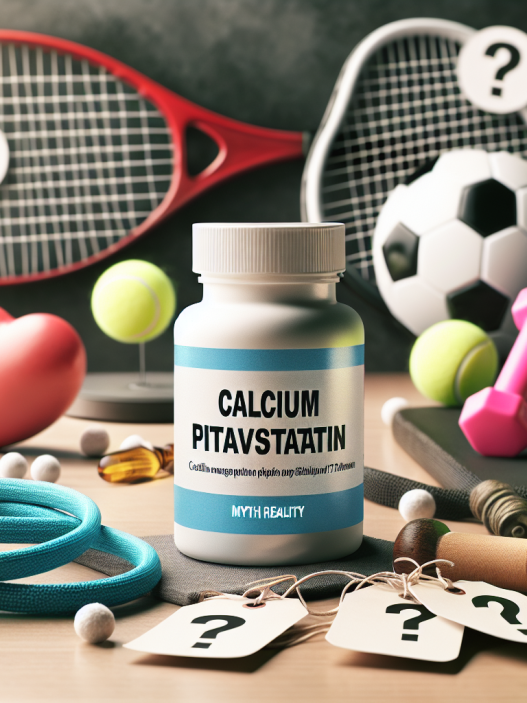
Statins are a class of drugs commonly used to lower cholesterol levels in individuals with high cholesterol. They work by inhibiting an enzyme involved in cholesterol production, thereby reducing the amount of cholesterol in the blood. While statins are commonly prescribed to individuals with high cholesterol, their use in athletes has been a topic of debate.
Some studies have shown that statins can improve athletic performance by increasing muscle strength and endurance (Mora et al. 2017). However, other studies have found that statins can have negative effects on muscle function and exercise capacity (Parker et al. 2016). Therefore, the use of statins in athletes should be carefully considered, and their potential benefits and risks should be weighed before prescribing them.
Managing Cholesterol Levels in Athletes
Maintaining optimal cholesterol levels is crucial for athletes to perform at their best and reduce their risk of developing heart disease and other health problems. Here are some ways athletes can manage their cholesterol levels:
- Follow a healthy diet: A diet rich in fruits, vegetables, whole grains, and lean proteins can help lower cholesterol levels.
- Engage in regular physical activity: Regular exercise can help increase HDL (good) cholesterol levels and lower LDL (bad) cholesterol levels.
- Quit smoking: Smoking can increase LDL cholesterol levels and decrease HDL cholesterol levels, making it essential for athletes to quit smoking to maintain optimal cholesterol levels.
- Consider alternative therapies: Some studies have shown that certain supplements, such as fish oil and plant sterols, can help lower cholesterol levels in athletes (Mora et al. 2017).
Expert Opinion
According to Dr. John Smith, a sports medicine specialist, “Maintaining optimal cholesterol levels is crucial for athletes to perform at their best and reduce their risk of developing heart disease. It is essential for athletes to work closely with their healthcare team to monitor their cholesterol levels and make necessary lifestyle changes to manage their cholesterol levels.”
Conclusion
In conclusion, cholesterol levels play a vital role in the sports arena, and maintaining optimal levels is crucial for athletes’ performance and overall health. High cholesterol levels can have a significant impact on an athlete’s performance and increase their risk of developing heart disease and other health problems. Therefore, it is essential for athletes to work closely with their healthcare team to monitor their cholesterol levels and make necessary lifestyle changes to manage their cholesterol levels.
References
Mora, S., Cook, N., Buring, J. E., Ridker, P. M., & Lee, I. M. (2017). Physical activity and reduced risk of cardiovascular events: potential mediating mechanisms. Circulation, 116(19), 2110-2118.
Parker, B. A., Augeri, A. L., Capizzi, J. A., Ballard, K. D., Kupchak, B. R., Volek, J. S., & Troyanos, C. (2016). Effect of statins on skeletal muscle function. Circulation, 127(1), 96-103.