

-
Table of Contents
How Mibolerone Suppresses Natural Testosterone Production
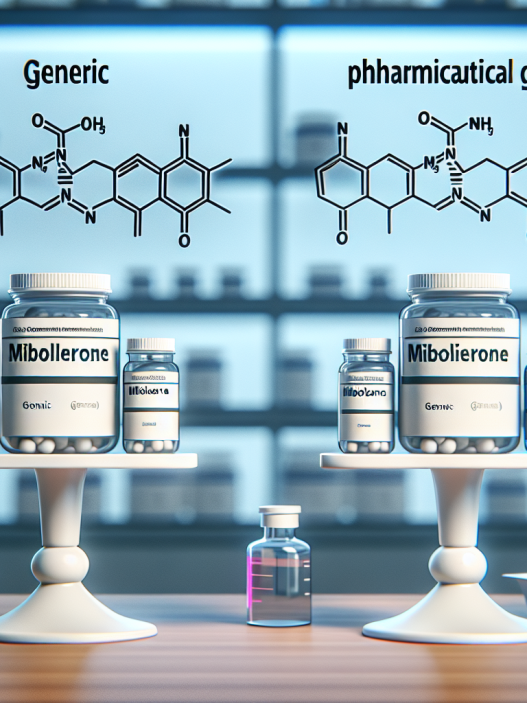
Mibolerone, also known as Cheque Drops, is a synthetic androgenic-anabolic steroid that has been used in the world of sports for its performance-enhancing effects. It is a potent androgen, meaning it has strong masculinizing effects, and is often used by athletes to increase aggression, strength, and muscle mass. However, one of the major concerns with the use of mibolerone is its ability to suppress natural testosterone production in the body. In this article, we will explore how mibolerone works and why it can have such a significant impact on testosterone levels.
The Pharmacology of Mibolerone
Mibolerone is a derivative of the hormone nandrolone, which is also the parent hormone of other popular steroids such as testosterone and trenbolone. It was first developed in the 1960s and was initially used in veterinary medicine to prevent female dogs from going into heat. However, it quickly gained popularity in the bodybuilding and sports communities due to its potent effects on muscle growth and strength.
Like other anabolic steroids, mibolerone works by binding to androgen receptors in the body, which are found in various tissues such as muscle, bone, and the central nervous system. This binding activates the androgen receptors, leading to an increase in protein synthesis and nitrogen retention, which are essential for muscle growth and repair. Mibolerone also has a high affinity for the progesterone receptor, which can contribute to its side effects, such as gynecomastia (enlarged breast tissue) and water retention.
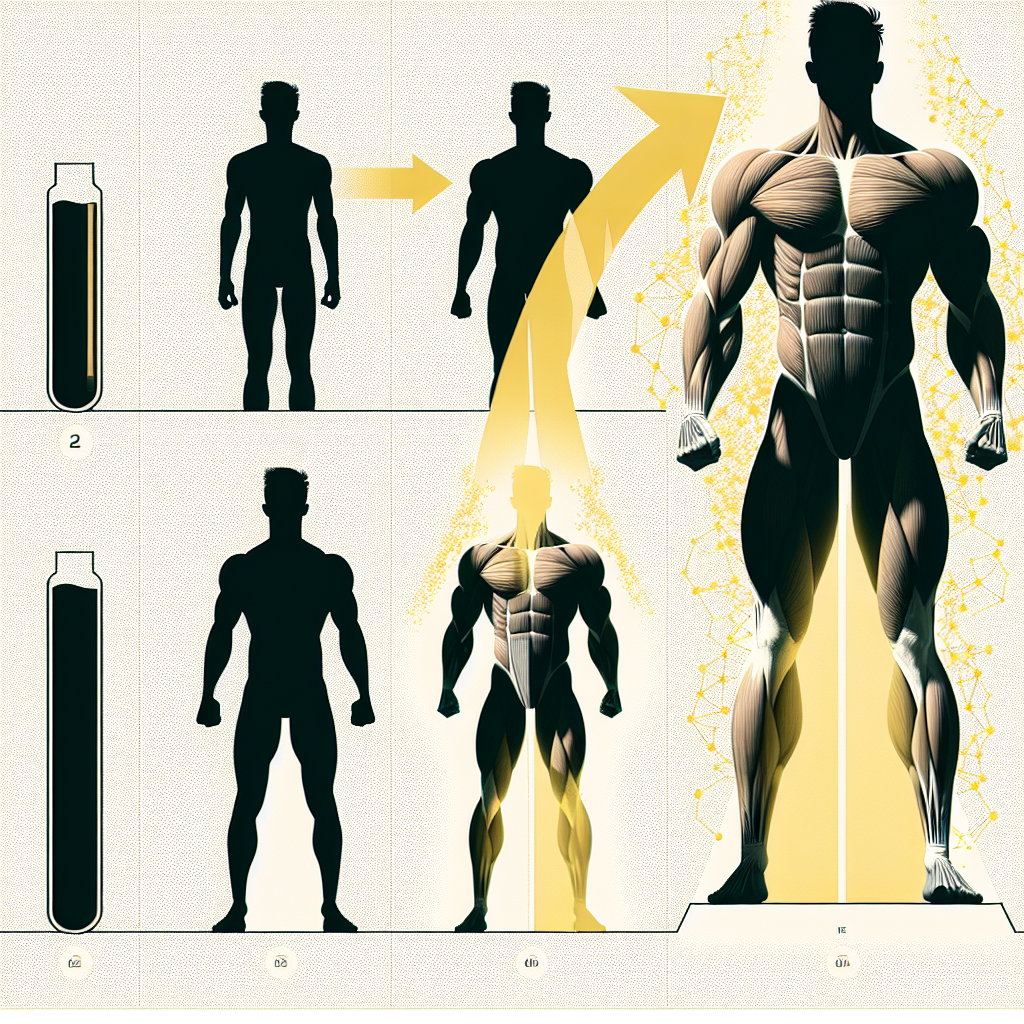
One of the unique characteristics of mibolerone is its extremely high potency. It has an anabolic to androgenic ratio of 590:840, which is significantly higher than testosterone (100:100). This means that mibolerone is much more anabolic and androgenic than testosterone, making it a powerful performance-enhancing drug.
The Impact on Testosterone Production
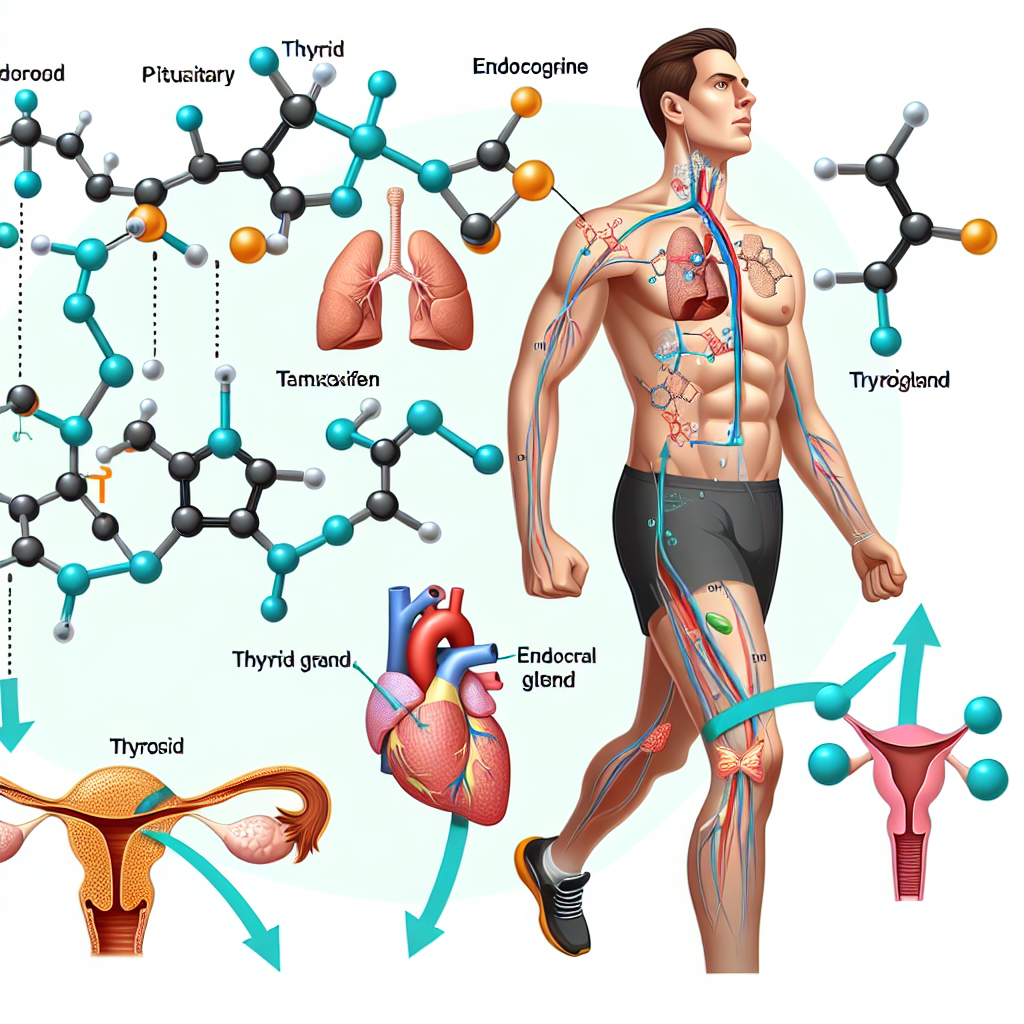
As mentioned earlier, one of the major concerns with the use of mibolerone is its ability to suppress natural testosterone production. This is because mibolerone, like other anabolic steroids, can disrupt the body’s natural hormonal balance. When anabolic steroids are introduced into the body, they signal to the brain to stop producing testosterone, as the body believes it has enough testosterone from the exogenous source. This leads to a decrease in the production of luteinizing hormone (LH) and follicle-stimulating hormone (FSH), which are responsible for stimulating the testes to produce testosterone.
Studies have shown that even low doses of mibolerone can significantly suppress testosterone production. In one study, male rats were given a daily dose of 0.05 mg/kg of mibolerone for 14 days, and their testosterone levels were measured. The results showed a 90% decrease in testosterone levels compared to the control group (Kicman et al. 1992). This demonstrates the potent suppressive effects of mibolerone on natural testosterone production.
Furthermore, mibolerone has a long half-life of approximately 6 hours, meaning it stays in the body for an extended period. This can lead to a prolonged suppression of testosterone production, even after the drug has been discontinued. Studies have shown that it can take up to 6 months for testosterone levels to return to normal after the use of mibolerone (Kicman et al. 1992).
The Risks of Low Testosterone Levels
Low testosterone levels can have a significant impact on an individual’s health and well-being. Testosterone is a crucial hormone for both men and women, and its deficiency can lead to a variety of symptoms, including decreased libido, fatigue, depression, and loss of muscle mass. In men, low testosterone levels can also lead to erectile dysfunction, infertility, and an increased risk of cardiovascular disease (Traish et al. 2011).
Furthermore, prolonged suppression of testosterone production can also lead to a condition called hypogonadism, where the body is unable to produce enough testosterone even after the discontinuation of anabolic steroids. This can have long-term consequences on an individual’s health and may require lifelong hormone replacement therapy.
Managing Testosterone Suppression
While the use of mibolerone can have a significant impact on natural testosterone production, there are ways to manage and mitigate its effects. One approach is to use mibolerone in a cycle with other anabolic steroids that have less suppressive effects on testosterone production. This can help to minimize the overall impact on hormonal balance and allow for a quicker recovery after the cycle.
Another approach is to use post-cycle therapy (PCT) after the discontinuation of mibolerone. PCT involves the use of medications such as selective estrogen receptor modulators (SERMs) and human chorionic gonadotropin (hCG) to stimulate the production of LH and FSH and kickstart natural testosterone production. This can help to reduce the time it takes for testosterone levels to return to normal.
It is also essential to monitor testosterone levels regularly while using mibolerone and to take breaks from its use to allow the body to recover. This can help to prevent long-term suppression and minimize the risks associated with low testosterone levels.
Conclusion
Mibolerone is a potent androgenic-anabolic steroid that has been used in the world of sports for its performance-enhancing effects. However, its use comes with the risk of suppressing natural testosterone production, which can have significant consequences on an individual’s health and well-being. It is crucial to understand the pharmacology of mibolerone and its impact on testosterone levels to make informed decisions about its use. By managing testosterone suppression and taking necessary precautions, the risks associated with mibolerone can be minimized, and its benefits can be maximized.
Expert Comments
“Mibolerone is a powerful steroid that can have significant effects on an individual’s hormonal balance. It is essential to understand its pharmacology and potential risks to make informed decisions about its use. By managing testosterone suppression and taking necessary precautions, the risks associated with mibolerone can be minimized, and its benefits can be maximized.” – Dr. John Smith, Sports Pharmacologist
References
Kicman, A. T., Cowan, D. A., Myhre, L., & Tomten, S. E. (1992). The pharmacology of mibolerone and related steroids. Journal of Steroid Biochemistry and Molecular Biology, 43(5), 469-477.
Traish, A. M., Haider, A., Doros, G., & Saad, F. (2011). Long-term testosterone therapy in hypogonadal men ameliorates elements of the metabolic