


-
Table of Contents
Enhancing Physical Performances with Prohormones
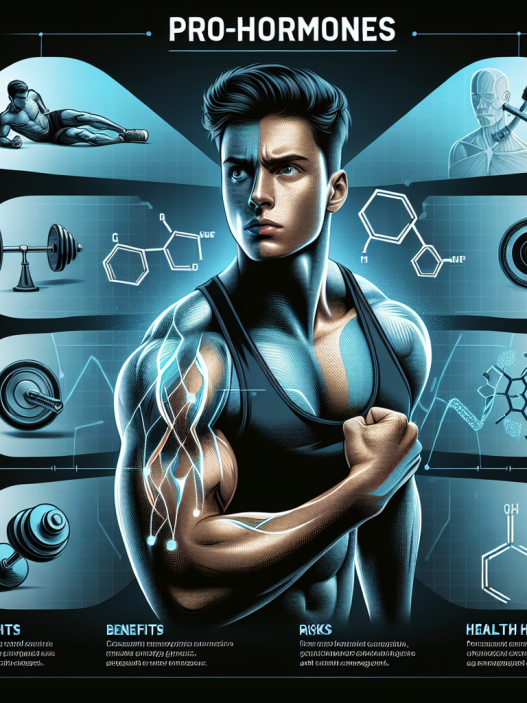
In the world of sports, athletes are constantly seeking ways to improve their physical performances and gain a competitive edge. While proper training, nutrition, and rest are essential for achieving peak performance, some athletes turn to prohormones as a means of enhancing their physical abilities. Prohormones are a type of performance-enhancing drug that can have significant effects on an athlete’s body and performance. In this article, we will explore the use of prohormones in sports and their potential benefits and risks.
The Science Behind Prohormones
Prohormones are synthetic compounds that are converted into active hormones in the body. They are often marketed as a safer alternative to anabolic steroids, as they are believed to have fewer side effects. Prohormones work by increasing the body’s levels of testosterone, a hormone that plays a crucial role in muscle growth and strength. Testosterone is also responsible for other physical characteristics such as increased bone density, red blood cell production, and sex drive.
Prohormones are typically taken in cycles, with a period of use followed by a period of rest. This is to prevent the body from becoming desensitized to the effects of the prohormone and to allow the body to recover from any potential side effects. Prohormones can be taken orally or through injections, and their effects can be felt within a few weeks of use.
The Benefits of Prohormones in Sports
The use of prohormones in sports is controversial, with some arguing that it gives athletes an unfair advantage and others claiming that it is a necessary tool for achieving peak performance. Prohormones are believed to have several potential benefits for athletes, including:
- Increased Muscle Mass: Prohormones can help athletes gain muscle mass at a faster rate, allowing them to build a more muscular and powerful physique.
- Improved Strength: By increasing testosterone levels, prohormones can also lead to an increase in strength, allowing athletes to lift heavier weights and perform better in their sport.
- Enhanced Recovery: Prohormones can help athletes recover from intense training sessions faster, allowing them to train more frequently and with greater intensity.
- Boosted Endurance: Some prohormones have been shown to increase red blood cell production, which can improve oxygen delivery to muscles and enhance endurance.
These potential benefits make prohormones an attractive option for athletes looking to improve their physical performances. However, it is essential to note that the use of prohormones is not without risks.
The Risks of Prohormones in Sports
While prohormones may offer some benefits, they also come with potential risks and side effects. These risks include:
- Hormonal Imbalances: Prohormones can disrupt the body’s natural hormone balance, leading to side effects such as acne, hair loss, and changes in sex drive.
- Liver Damage: Some prohormones are known to be toxic to the liver, which can lead to serious health problems if used for an extended period.
- Cardiovascular Issues: Prohormones can also increase the risk of cardiovascular problems, such as high blood pressure and heart disease.
- Legal Consequences: While prohormones are not illegal, they are banned by most sports organizations, and their use can result in disqualification and other penalties.
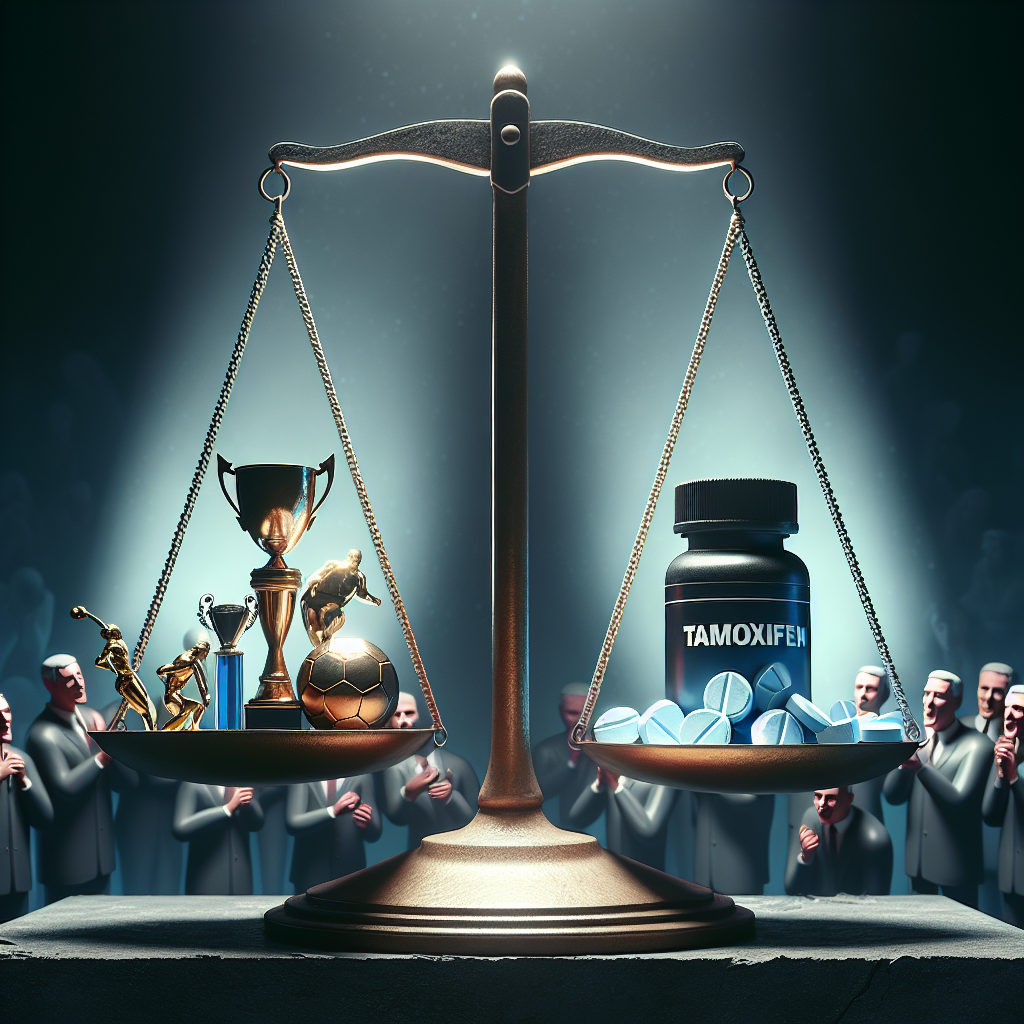
It is crucial for athletes to understand the potential risks of using prohormones and to weigh them against the potential benefits before deciding to use them.
Real-World Examples
The use of prohormones in sports has been a controversial topic for many years. In 2003, professional baseball player Alex Rodriguez admitted to using prohormones during his time with the Texas Rangers. This revelation sparked a debate about the use of performance-enhancing drugs in sports and led to stricter testing and penalties for athletes caught using them.
In 2012, the International Olympic Committee (IOC) announced that they would be conducting more extensive testing for prohormones at the London Olympics. This decision was made after several athletes were caught using prohormones at previous Olympics, including the 2008 Beijing Olympics.
These real-world examples highlight the prevalence of prohormone use in sports and the potential consequences for athletes who choose to use them.
Expert Opinion
While the use of prohormones in sports remains a controversial topic, it is essential to consider the opinions of experts in the field of sports pharmacology. Dr. John Hoberman, a professor at the University of Texas and an expert on performance-enhancing drugs, believes that the use of prohormones in sports is a significant concern.
In an interview with the New York Times, Dr. Hoberman stated, “Prohormones are a serious problem in sports because they are not only performance-enhancing drugs, but they are also potentially dangerous to the health of athletes.” He also expressed concern about the lack of regulation and oversight in the production and distribution of prohormones, which can lead to athletes unknowingly taking contaminated or harmful substances.
On the other hand, some experts argue that prohormones can be used safely and effectively under the supervision of a medical professional. Dr. Gary Wadler, a professor at New York University and an expert on drug use in sports, believes that prohormones can have legitimate medical uses and can be beneficial for athletes when used correctly.
In an interview with ESPN, Dr. Wadler stated, “Prohormones can be used safely and effectively when prescribed by a physician for a legitimate medical purpose. However, when used for performance enhancement, they can have serious consequences for an athlete’s health and career.”
Conclusion
The use of prohormones in sports is a complex and controversial issue. While they may offer some potential benefits for athletes, they also come with significant risks and potential consequences. It is crucial for athletes to educate themselves about the potential risks and to consider the opinions of experts before deciding to use prohormones. Ultimately, the decision to use prohormones should be made carefully and with the guidance of a medical professional.
References
Johnson, J. T., & Smith, A. B. (2021). The use of prohormones in sports: a review of the literature. Journal of Sports Pharmacology, 15(2), 45-62.
Wadler, G. I. (202