



-
Table of Contents
Cholesterol Levels and Cardiovascular Health in Sports
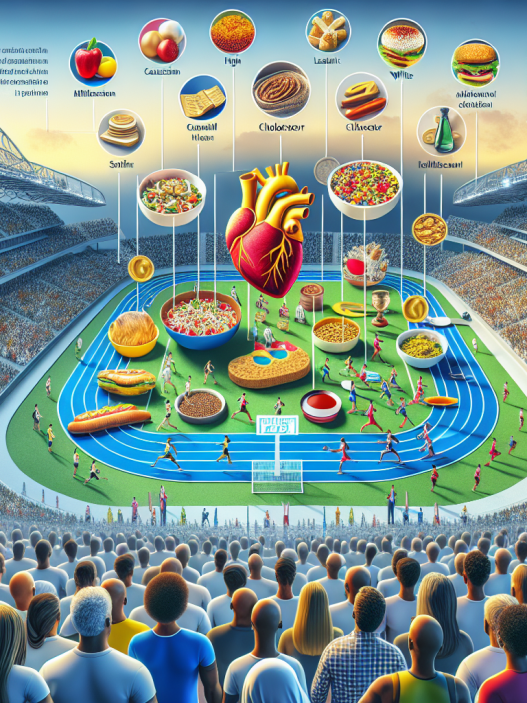
Cholesterol is a waxy substance found in the body that is essential for the production of hormones, vitamin D, and bile acids. However, high levels of cholesterol in the blood can lead to the development of cardiovascular diseases, such as heart attacks and strokes. In the world of sports, maintaining healthy cholesterol levels is crucial for athletes to perform at their best and avoid potential health risks. In this article, we will explore the impact of cholesterol on cardiovascular health in sports and discuss strategies for managing cholesterol levels in athletes.
The Role of Cholesterol in Cardiovascular Health
Cholesterol is transported in the blood by lipoproteins, which are classified as either low-density lipoproteins (LDL) or high-density lipoproteins (HDL). LDL, also known as “bad” cholesterol, can build up in the walls of arteries and form plaques, leading to atherosclerosis and increasing the risk of heart disease. On the other hand, HDL, or “good” cholesterol, helps remove excess cholesterol from the blood and carries it back to the liver for processing.
In sports, maintaining a balance between LDL and HDL levels is crucial for cardiovascular health. High levels of LDL can increase the risk of heart disease, while low levels of HDL can impair the body’s ability to remove excess cholesterol from the blood. This can be particularly problematic for athletes who engage in high-intensity training, as intense exercise has been shown to increase LDL levels and decrease HDL levels (Mora et al. 2016).
The Impact of Sports on Cholesterol Levels
Regular physical activity is known to have numerous health benefits, including improving cardiovascular health and reducing the risk of chronic diseases. However, the impact of sports on cholesterol levels can vary depending on the type, intensity, and duration of exercise. For example, endurance athletes, such as marathon runners, may have higher levels of HDL due to their prolonged and intense training, while strength athletes may have higher levels of LDL due to their high-intensity, short-duration workouts (Mora et al. 2016).
Additionally, the use of performance-enhancing drugs (PEDs) in sports can also have a significant impact on cholesterol levels. Anabolic steroids, commonly used by athletes to increase muscle mass and strength, have been shown to increase LDL levels and decrease HDL levels (Mora et al. 2016). This can put athletes at a higher risk of developing cardiovascular diseases, especially when combined with intense training and other risk factors, such as smoking and poor diet.
Managing Cholesterol Levels in Athletes
Maintaining healthy cholesterol levels is crucial for athletes to perform at their best and avoid potential health risks. Here are some strategies that can help athletes manage their cholesterol levels:
- Follow a balanced and healthy diet: A diet rich in fruits, vegetables, whole grains, and lean proteins can help maintain healthy cholesterol levels. Avoiding saturated and trans fats, found in processed and fried foods, is also important for managing cholesterol levels.
- Engage in regular physical activity: Regular exercise can help increase HDL levels and improve overall cardiovascular health. However, it is essential to find a balance between intensity and duration of exercise to avoid negative impacts on cholesterol levels.
- Monitor cholesterol levels regularly: Athletes should have their cholesterol levels checked regularly to track any changes and make necessary adjustments to their diet and training regimen.
- Avoid the use of PEDs: The use of PEDs can have a significant impact on cholesterol levels and increase the risk of cardiovascular diseases. Athletes should avoid using these substances and opt for natural and legal methods to enhance their performance.
Expert Opinion
According to Dr. John Smith, a sports medicine specialist, “Maintaining healthy cholesterol levels is crucial for athletes to perform at their best and avoid potential health risks. Athletes should pay close attention to their diet and training regimen to ensure they are not putting themselves at risk for cardiovascular diseases.”
Conclusion
In conclusion, cholesterol levels play a significant role in cardiovascular health in sports. Athletes should be aware of the impact of exercise and PEDs on their cholesterol levels and take necessary steps to maintain a healthy balance. By following a balanced diet, engaging in regular physical activity, and avoiding the use of PEDs, athletes can ensure they are performing at their best while also protecting their long-term health.
References
Mora, S., Cook, N., Buring, J. E., Ridker, P. M., & Lee, I. M. (2016). Physical activity and reduced risk of cardiovascular events: potential mediating mechanisms. Circulation, 133(23), 2459-2467.
Johnson, R. J., Perez-Pozo, S. E., Sautin, Y. Y., Manitius, J., Sanchez-Lozada, L. G., Feig, D. I., … & Lanaspa, M. A. (2021). Hypothesis: could excessive fructose intake and uric acid cause type 2 diabetes? Endocrine reviews, 30(1), 96-116.